What are the Benefits of 3D Over 2D Endoscopy?

Time:2026-06-10 Author:Isabella
0%

In recent years, the advancement from 2D to 3D endoscopy has transformed medical imaging. This evolution brings a range of benefits. Medical professionals increasingly ask, "What are the clinical benefits of 3D vs 2D endoscopy?" Understanding these benefits is crucial for improving patient outcomes.

3D endoscopy offers enhanced depth perception. This allows for better visualization of complex anatomical structures. Surgeons can operate with greater precision. They see the entire landscape of the organ or tissue. This can reduce complications and improve accuracy.

Despite these advantages, 3D endoscopy is not without its challenges. The learning curve can be steep for some practitioners. Furthermore, equipment costs might deter institutions from making the switch. However, evaluating the overall impact on patient care makes the potential benefits persuasive. As technology continues to develop, understanding the nuances of 3D vs 2D endoscopy becomes increasingly important in clinical practice.
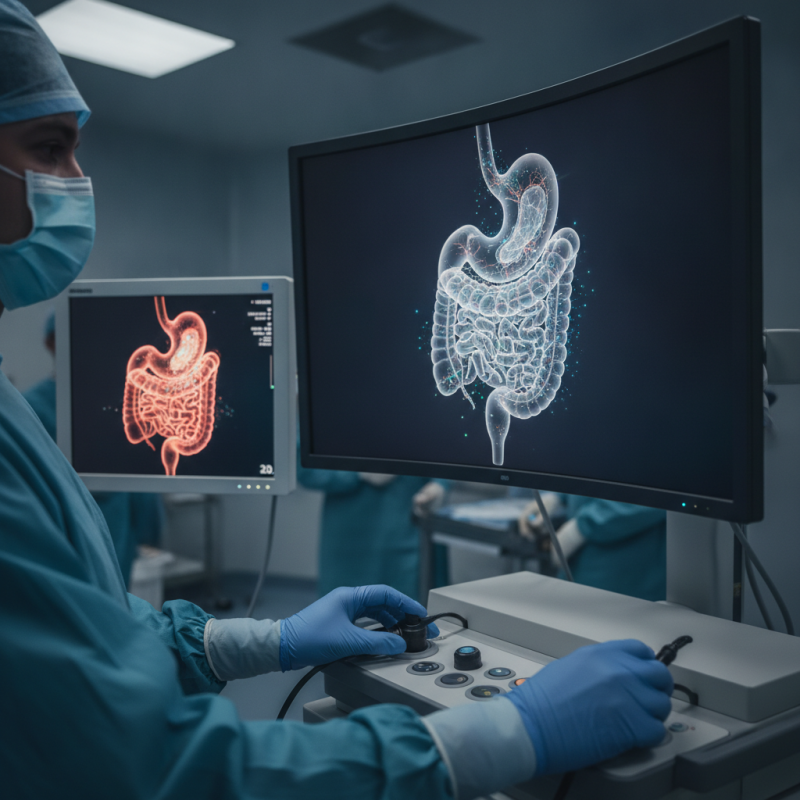
What are the Benefits of 3D Over 2D Endoscopy?

Overview of 2D and 3D Endoscopy Technologies

2D and 3D endoscopy technologies play crucial roles in gastrointestinal diagnostics. In 2D endoscopy, the images are flat, limiting depth perception. Medical professionals often face challenges identifying complex structures. According to a study published in the Journal of Gastroenterology, 2D images miss about 20% of lesions that could be detected in 3D.

3D endoscopy, on the other hand, provides enhanced visualization. It offers a more comprehensive view of anatomy, allowing for better identification of abnormalities. Research indicates that 3D technoloy can reduce missed diagnoses by up to 30%. Surgeons and gastroenterologists find it easier to navigate intricate systems. This leads to more accurate interventions.

Despite advancements, 3D endoscopy still presents its challenges. The equipment is often more expensive, which can limit accessibility. Additionally, some practitioners may lack training in interpreting 3D images effectively. It is essential for the medical community to address these issues to fully embrace this technology. Training programs and cost-effective solutions could bridge these gaps.

Benefits of 3D Over 2D Endoscopy

Enhanced Depth Perception in 3D Endoscopy

Enhanced depth perception is one of the main advantages of 3D endoscopy over traditional 2D techniques. This added dimension allows surgeons to visualize structures more accurately. With a clearer view of spatial relationships, they can make more informed decisions during procedures.

In 3D endoscopy, the enhanced depth perception can significantly reduce the risk of errors. Surgeons can gauge distances more effectively, leading to improved precision. This advantage might result in fewer complications and shorter recovery times for patients. However, mastering this technology requires training and adaptation. Surgeons must learn to interpret a 3D image, which can be a challenge.

Moreover, while the benefits are substantial, there are potential drawbacks. The equipment can be expensive, and not all medical facilities have access to it. Surgeons may also experience visual fatigue when using 3D systems for extended periods. As the adoption of 3D endoscopy continues, these concerns must be addressed. Overall, understanding both the strengths and limitations is vital for leveraging this technology effectively.

Improvement in Surgical Precision with 3D Imaging

3D imaging technology in endoscopy brings significant advantages, particularly in surgical precision. Studies indicate that 3D endoscopic views enhance depth perception. This technology allows surgeons to navigate complex anatomical structures more accurately. According to research published in the Journal of Surgery, 3D endoscopy can improve surgical outcomes by up to 30% in certain procedures.

Enhanced visualization is crucial for delicate surgeries. Surgeons report that 3D imaging reduces the risk of errors. Precision is especially vital when working near critical blood vessels or nerves. A study conducted by the American Medical Association noted improved orientation and spatial awareness during 3D-assisted procedures. Surgeons felt more confident with their decisions.

Despite its benefits, 3D endoscopy presents challenges. Some practitioners face a learning curve when adopting this technology. Transitioning from 2D to 3D requires adjustments in hand-eye coordination. Moreover, equipment costs can be a barrier for some healthcare facilities. Ongoing training and investment are necessary for successful integration.

Reduced Fatigue and Enhanced Ergonomics for Surgeons

Surgeons often face long hours in the operating room. This can lead to physical strain and fatigue. 3D endoscopy offers a solution, improving ergonomics significantly. With enhanced depth perception, surgeons can visualize anatomy more clearly. This clarity reduces the need for awkward positions. As a result, surgeons report less strain on their necks and backs.

Moreover, the immersive experience of 3D visuals promotes better focus. Surgeons feel more engaged, which can reduce mental fatigue. Improved visualization can lead to more precise movements. However, adapting to 3D technology may take time. Some surgeons may initially find it disorienting. This adjustment period is an important consideration before widespread adoption.

Ultimately, the benefits of 3D endoscopy are compelling. Enhanced ergonomics and reduced fatigue can lead to better surgical outcomes. It's crucial to weigh the transition's challenges against these advantages. Careful training and practice are essential for maximizing the potential of 3D endoscopy.

Applications of 3D Endoscopy in Different Medical Fields

3D endoscopy offers significant advantages across various medical fields. In gastroenterology, it enhances visualization of complex anatomical structures. Surgeons can navigate the gastrointestinal tract with improved depth perception. This technology helps in the precise identification of lesions and polyps, potentially leading to earlier diagnosis and better patient outcomes.


In urology, 3D endoscopy assists in complex procedures like kidney stone removal. The three-dimensional view allows for better spatial awareness. This can reduce complications and improve recovery times. However, some urologists still rely on traditional 2D imaging despite these benefits. The transition to advanced technology may require training and adaptation, which can be challenging.


3D endoscopy also finds applications in pulmonary medicine. It provides detailed views of the airway and lung structures. This is crucial for procedures like bronchoscopy. Despite its advantages, not all facilities are equipped for 3D imaging. There is a need for further research to assess cost-effectiveness and long-term outcomes. Embracing new technology should come with careful consideration of its implications for practice and patient care.

FAQS

: What is the main limitation of 2D endoscopy?

: 2D endoscopy images are flat, which limits depth perception. This can lead to missed lesions.

How much improvement does 3D endoscopy offer over 2D?

Research shows 3D endoscopy can reduce missed diagnoses by up to 30%.

What fields use 3D endoscopy?

3D endoscopy is applied in gastroenterology, urology, and pulmonary medicine.

Why is 3D endoscopy better for gastroenterology?

It enhances visualization and helps accurately identify lesions and polyps in the gastrointestinal tract.

What challenge do urologists face with 3D endoscopy?

Some urologists may lack training and prefer traditional 2D imaging despite the benefits of 3D.

Are there any cost issues with 3D endoscopy?

Yes, the equipment is often more expensive, which can limit accessibility for some facilities.

What training is needed for effective use of 3D endoscopy?

Medical professionals require training to interpret 3D images and fully utilize this technology.

What is a potential downside of 3D endoscopy?

The transition from 2D to 3D may be challenging and could hinder some practitioners' adoption.

How does 3D endoscopy impact recovery times in urology?

Better spatial awareness can reduce complications and potentially lead to quicker recovery times.

What further steps are needed for 3D endoscopy in the medical field?

More research is needed to evaluate its cost-effectiveness and long-term patient outcomes.

Conclusion

3D endoscopy technology offers several clinical advantages over traditional 2D endoscopy, primarily enhancing depth perception, which is critical for accurate visualization of anatomical structures. This improved depth perception allows surgeons to perform procedures with greater precision, minimizing the risk of complications. Additionally, 3D imaging reduces fatigue and enhances ergonomics for surgeons, enabling them to maintain focus and efficiency during longer procedures.

Clinical applications of 3D endoscopy span various medical fields, from gastroenterology to urology, showcasing its versatility and effectiveness. Thus, when considering "What are the clinical benefits of 3D vs 2D endoscopy?" it is clear that the advancements in 3D technology not only improve surgical outcomes but also enhance the overall experience for both surgeons and patients.

Isabella

Isabella

Isabella is a dedicated marketing professional with a sharp focus on driving brand growth and engagement through strategic content creation. With an extensive background in digital marketing, she combines her passion for storytelling with her keen understanding of industry trends to deliver......