Top 10 Benefits of Integrating OR Systems with Endoscopy Imaging?

Time:2026-06-16 Author:Mason
0%

Integrating Operating Room (OR) systems with endoscopy imaging is transforming surgical practices. As per a recent study by the American College of Surgeons, over 75% of hospitals now utilize advanced imaging technologies. However, many surgical teams still grapple with fragmented systems. “Why integrate an OR system with endoscopy imaging?” is a crucial question in today's healthcare landscape.

Dr. Lisa Chang, a leading expert in surgical technology, states, "Seamless integration can drastically improve surgical outcomes." This assertion resonates well with industry trends. By merging these technologies, it enhances visualization and improves procedural accuracy. Surgeons can access real-time imaging during operations, reducing complications and accelerating recovery. Yet, some hospitals face challenges in implementation due to cost and training needs. Not all facilities have the resources to adopt these integrated solutions.

The potential benefits of this integration are substantial. Enhanced patient safety, improved workflow efficiency, and better communication among surgical teams become tangible realities. Nonetheless, the journey to full integration is not without its hurdles and setbacks. Balancing cost, training, and technology is essential for achieving optimal results in surgical care. The path remains complex but necessary.
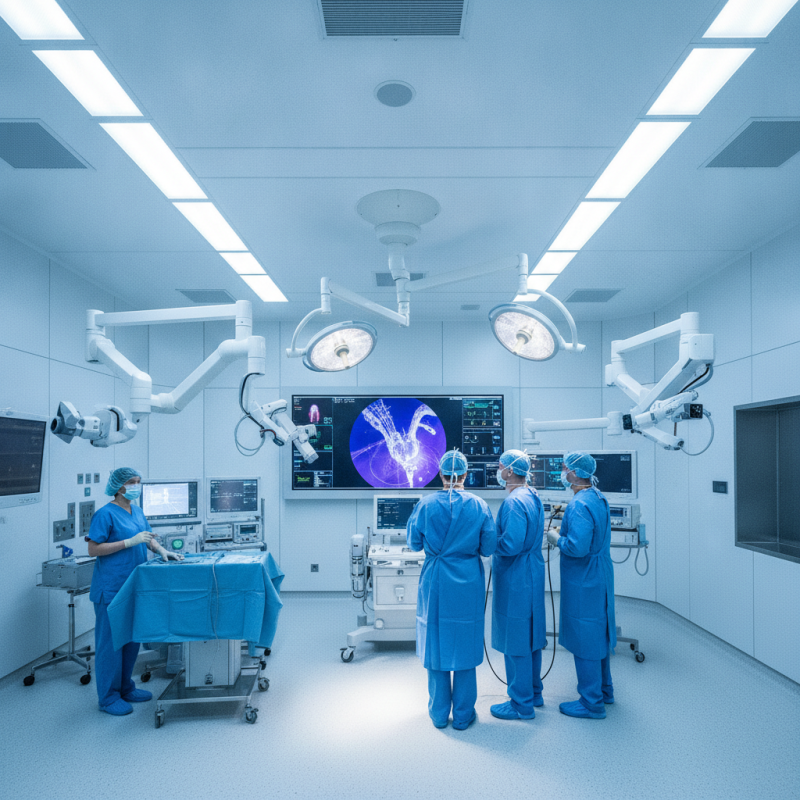
Top 10 Benefits of Integrating OR Systems with Endoscopy Imaging?

Benefits of Enhanced Visualization in Surgical Procedures

Enhanced visualization plays a critical role in modern surgical procedures, particularly in endoscopy. By integrating operating room (OR) systems with advanced endoscopic imaging, surgeons gain superior insights into complex anatomy. This heightened level of detail allows for more precise manipulation of instruments. The clarity of images can help in identifying subtle anatomical structures that might otherwise be overlooked.

Surgeons often face challenges due to limited visibility in traditional settings. The integration offers high-definition images, enabling quicker decision-making. With real-time feedback, they can adjust techniques on the fly. This could lead to fewer complications and better patient outcomes. However, the effectiveness can vary based on the experience of the surgical team and the complexity of the procedure.

Despite these advantages, there are areas for reflection. Over-reliance on technology can lead to challenges in traditional skills. Continuous training remains essential for surgical teams to balance technology with hands-on expertise. As the field evolves, it's crucial to address these complexities. The future will demand a harmony between enhanced visualization and the timeless principles of surgical practice.

Top 10 Benefits of Integrating OR Systems with Endoscopy Imaging

Improved Workflow Efficiency through Integration

The integration of operating room (OR) systems with endoscopy imaging significantly enhances workflow efficiency. According to a report from the Journal of Healthcare Management, hospitals implementing integrated systems experienced a 30% reduction in procedural delays. This improvement allows for quicker patient turnover and increased capacity for surgeries.

Enhanced communication between OR teams and imaging specialists is a crucial benefit. Data from the American College of Surgeons highlights that streamlined workflows cut down on unnecessary wait times. Real-time access to imaging can reduce the decision-making period during procedures. This leads to better care coordination and improved patient outcomes.

Tips for optimizing integration include ensuring all staff is trained on the integrated systems. Many facilities overlook ongoing training, which can lead to inefficiencies. Consider organizing regular feedback sessions. This ensures that all team members can voice concerns, improving the system's functionality. Being aware of potential challenges and addressing them proactively can help maintain workflow efficiency.

Real-time Data Access for Informed Decision-Making

Integrating operating room (OR) systems with endoscopy imaging provides real-time data access. This seamless connection enhances decision-making during procedures. Surgeons can view live imaging while monitoring patient vitals. This integration creates a more cohesive environment in the OR.

Real-time data is crucial in fast-paced surgical settings. It allows for immediate adjustments based on the most current information. Accessing imaging alongside other patient data can reveal insights previously overlooked. However, not all systems integrate perfectly. There can be technology gaps and compatibility issues that require attention.

While the benefits are significant, challenges may arise. Surgeons must be trained to interpret combined data effectively. Without proper training, the potential of the integrated systems may not be fully realized. Continuous learning is necessary to navigate the evolving landscape of medical technology. A balance between innovation and usability is essential for maximizing patient outcomes.

Reduction of Surgical Errors and Improved Patient Safety

The integration of operating room (OR) systems with endoscopy imaging significantly enhances patient safety. A study by the Institute of Medicine estimates that surgical errors account for nearly 10% of all adverse events in hospitals. The fine-tuning of imaging systems can help reduce these errors. Accurate, real-time imaging during surgeries provides surgeons with better visuals, minimizing the chances of operative mistakes.

Additionally, improved imaging can lead to more efficient procedures. According to the Journal of Surgical Research, cases that utilize integrated imaging have shown a 15% decrease in operation times. This not only improves overall patient outcomes but also increases throughput in busy surgical units. The enhanced clarity of endoscopy imaging allows for precise navigation, which can readily inform surgical decisions.

However, complete integration remains a challenge. Some surgical teams still face issues with technology that is not user-friendly. Training on new systems can be inadequate, leading to potential miscommunication. As technology evolves, addressing these concerns is vital. Ongoing feedback from medical professionals is essential to refine integrated systems for safer surgical environments.

Streamlined Communication Between Surgical Teams and Imaging Tech

Integrating operating room (OR) systems with endoscopy imaging can significantly enhance communication between surgical teams and imaging technicians. Real-time data sharing allows surgeons to access critical images instantly. They can make informed decisions quickly, which is crucial during complex procedures. This reduces potential delays and improves patient outcomes.

The streamlined communication fosters collaboration. Surgeons, nurses, and technicians can discuss findings and adjust surgical plans on the fly. However, challenges exist. Misinterpretations can occur, especially under stress. Training is vital for all team members to navigate this technology effectively. Establishing clear protocols can mitigate confusion.

Integrating these systems requires investment in technology and training. Some facilities may struggle with the transition. Nonetheless, the potential benefits are substantial. Enhanced visualization and shared insights lead to more precise interventions. Ultimately, strengthening the link between OR teams and imaging staff can transform surgical practices for the better.

FAQS

: How does integrating OR systems with imaging improve efficiency?

: Integration reduces procedural delays by 30%, allowing for faster patient turnover and more surgeries.

What communication benefits does this integration provide?

It enables better communication between OR teams and imaging specialists, cutting unnecessary wait times.

How can real-time imaging impact surgical procedures?

Real-time imaging reduces decision-making time, enhancing care coordination and improving patient outcomes.

What are some tips for optimizing integration?

Ensure staff training on systems, overlook ongoing training, and organize feedback sessions for improved functionality.

What percentage of surgical errors are related to adverse events?

Surgical errors account for nearly 10% of all adverse events in hospitals, according to estimates.

How does improved imaging affect operation times?

Integrated imaging can lead to a 15% decrease in operation times, benefiting both patients and surgical units.

What challenges exist with integrating OR systems?

Some teams face user-unfriendly technology and inadequate training, leading to potential miscommunication.

Why is ongoing feedback important in this context?

Feedback from medical professionals helps refine systems for safer surgical environments and addresses integration issues.

Conclusion

Integrating an Operating Room (OR) system with endoscopy imaging offers numerous advantages that enhance surgical procedures significantly. First and foremost, the integration provides enhanced visualization, allowing surgeons to view detailed images in real-time, which leads to more precise interventions. Furthermore, improved workflow efficiency is achieved as surgical teams can seamlessly access imaging data without delay, reducing the time spent transitioning between different systems. One important question arises: Why integrate an OR system with endoscopy imaging? The answer lies in the ability to access real-time data that supports informed decision-making during procedures. This can lead to a noticeable reduction in surgical errors and an increase in patient safety, as the communication between surgical teams and imaging technology is streamlined, fostering a more collaborative and effective operating environment. Overall, the integration represents a critical advancement in surgical practice, contributing to better outcomes for patients.

Mason

Mason

Mason is a seasoned marketing professional with a deep expertise in the company's offerings and a passion for driving brand awareness. With a strong background in digital marketing strategies, he has an innate ability to connect with diverse audiences and effectively communicate product benefits.......