China Best Surgical Smoke Evacuators How to Keep View Clear?

Time:2026-09-07 Author:Isabella
0%

Clear visualization is not a luxury in electrosurgery. It supports accurate dissection, faster decisions, and safer teamwork. Yet surgical smoke can quickly cloud a laparoscopic camera, coat a lens, and interrupt the surgeon’s concentration. The question is practical: How to prevent electrosurgical smoke from obstructing the view?

Dr. James E. Davis, a recognized surgical smoke safety educator, emphasizes a source-control principle: “Capture smoke at the point of generation.” This guidance explains why effective evacuators should work close to the tissue, not several centimeters away. A high-quality evacuator can remove smoke continuously while preserving the surgical field. However, equipment alone is not enough. Staff must position the capture device correctly, select suitable airflow, and replace filters according to the manufacturer’s instructions.

Small details matter. A narrow suction tip may improve access around delicate anatomy. A poorly placed nozzle may leave smoke drifting across the camera. In laparoscopic procedures, the system should also support stable pressure and clear lens visibility. China’s best surgical smoke evacuators should therefore be evaluated through clinical workflow, noise control, capture efficiency, filter performance, and maintenance support.

Real operating rooms are imperfect. Devices may be moved, tubing may bend, and settings may be chosen too late. That is why practical training deserves equal attention. The best system is not merely powerful. It is available, correctly positioned, and consistently used by the entire team. Clear vision begins before smoke appears.
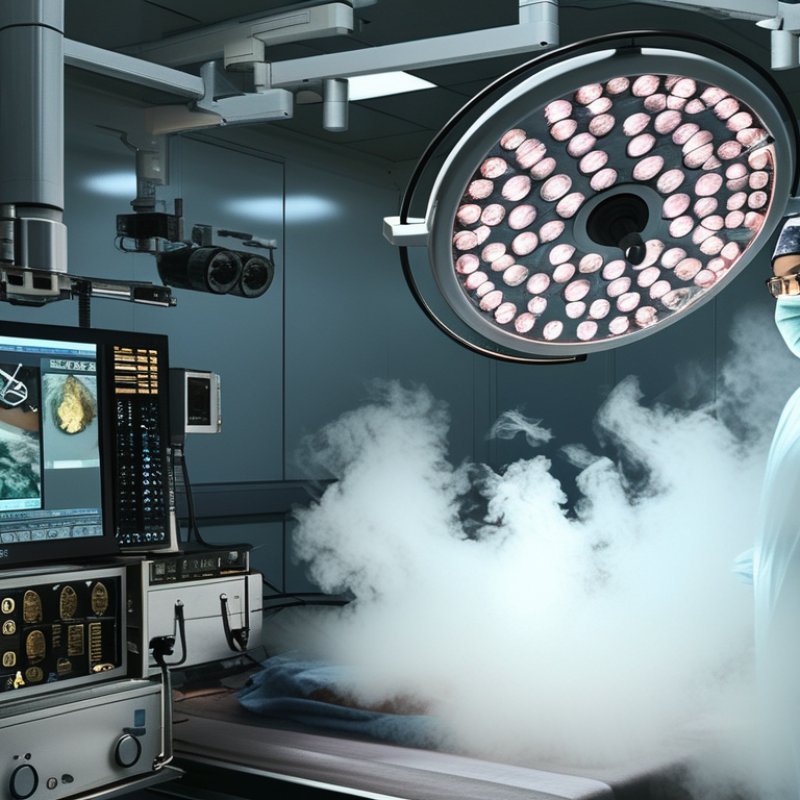
China Best Surgical Smoke Evacuators How to Keep View Clear?

Surgical Smoke Risks: Over 150 Airborne Chemicals Can Obscure the View

During electrosurgery, a thin blue-gray plume can rise within seconds. It may contain more than 150 airborne chemicals, including irritants and potentially hazardous compounds. That plume is not harmless. It can settle between the surgeon’s eyes and the tissue, reducing contrast and slowing precise work. Staff may also breathe contaminated air when capture is weak or positioned too far away.

A suitable surgical smoke evacuator should capture smoke close to the operative site. Distance matters. A narrow capture nozzle, steady airflow, and correctly fitted tubing help remove the plume before it spreads. The filtration system should match the procedure and follow recognized performance requirements.

Filters also need regular inspection and timely replacement. A blocked filter can reduce suction without obvious warning. Clear instructions and documented maintenance make the system more reliable.

In practice, visibility depends on more than equipment. Teams should test suction before the procedure, check hose connections, and place the nozzle near the smoke source without obstructing instruments. Good positioning often makes a noticeable difference. Even advanced systems can underperform when setup is rushed. The best evacuator is not always the most powerful model; it must suit the room, procedure, and staff workflow. That judgment deserves review after real procedures, especially when smoke remains visible or the field becomes hazy.

Source Capture: Position the Evacuator Tip Within 2 Inches of the Site

During smoke-generating procedures, clear visualization depends on source capture, not distant room filtration. Position the surgical smoke evacuator tip within 2 inches of the site. This short distance helps intercept smoke before it spreads across the operative field. Keep the opening close, but never obstruct the clinician’s hand, instrument, or line of sight. Small adjustments matter. If the plume drifts sideways, move the tip toward the visible stream, not simply upward. A flexible arm or assistant can help maintain this position during changing angles.

The suction should capture smoke without pulling tissue or drying the field. That balance requires observation, not guesswork. Check the tip during each phase, especially after instrument movement, energy changes, or patient repositioning. If the field becomes hazy, the tip may be too far away, poorly aligned, or partly blocked. Pause safely and inspect the setup according to facility protocols. Use compatible filters and replace them according to validated instructions. Staff need hands-on training, because a two-inch target is easy to miss when the procedure becomes demanding. In reality, “within 2 inches” is a working guide, not a substitute for clinical judgment. Teams should question the setup when visibility remains poor.

Filtration Performance: Require 99.97% HEPA Efficiency at 0.3 Microns

China Best Surgical Smoke Evacuators: How to Keep the View Clear?

Filtration performance directly affects visibility during procedures. A dependable surgical smoke evacuator should provide 99.97% HEPA efficiency at 0.3 microns. This rating addresses fine particles that can remain suspended above the operating field. However, the number alone is not enough. Ask for independent test data, filter specifications, and clear testing conditions. A certificate without traceable details may create false confidence.

In practical use, the capture nozzle should stay close to the smoke source without blocking the surgeon’s hands. Strong, stable airflow helps remove the plume before it crosses the visual field. A pre-filter can protect the HEPA layer from larger particles and extend service life. Sealed housings and secure filter connections matter too. Even a high-grade filter performs poorly when air escapes around its edges.

Noise deserves attention. Excessive sound can distract the surgical team, especially during long procedures. Filter loading also changes airflow over time, so staff should monitor indicators and replace filters according to measured conditions. Do not rely only on a calendar reminder. It is easy to overlook a partially blocked filter. That mistake can leave the view hazy. In my experience, simple daily checks often reveal problems earlier than expected. Performance claims should be reviewed against real operating-room use, not just laboratory figures.

Airflow Selection: Compare Evacuators Rated Around 25–50 CFM

China Best Surgical Smoke Evacuators: How to Keep the View Clear?

Airflow selection strongly affects surgical visibility. Evacuators rated around 25–50 CFM cover many operating-room needs, but the highest number is not automatically better. A 25 CFM setting may suit a narrow capture tip placed close to the smoke source. It can reduce noise and limit unnecessary air movement. However, heavier plume production or a wider capture area may require 40–50 CFM.

Watch the smoke, not only the specification sheet. During electrosurgical use, smoke should move directly into the capture opening instead of curling across the lens or wound. Keep the nozzle close, without obstructing the clinician’s hand position. Long tubing, sharp bends, and a loaded filter can reduce real airflow. The displayed rating may not match performance at the tip.

Small details matter. Test the system before the procedure. Check suction at the distal end, inspect seals, and replace filters according to validated facility procedures. A quiet evacuator can improve communication, but excessive suction may disturb lightweight drapes or feel distracting. Balance matters.

One assumption deserves review: more airflow does not solve poor nozzle placement. In practice, a well-positioned 30 CFM system may perform better than a poorly positioned 50 CFM unit. Room size, procedure type, plume density, tubing design, and filter condition should guide the final setting. Local clinical engineering and infection-control requirements still need attention.

How to Keep the Surgical View Clear: Airflow Selection

Nominal airflow settings from 25 to 50 CFM provide a practical selection range for surgical smoke evacuation. Higher airflow can improve plume capture when the nozzle is positioned close to the smoke source, while excessive airflow may increase noise or disturb the working field.

Selection tip: Use approximately 25–35 CFM for localized, low-volume plume generation, 35–45 CFM for routine electrosurgical procedures, and 45–50 CFM when plume production is heavier or the capture distance is greater. Keep the capture nozzle as close as practical to the source, because positioning and nozzle design can affect visibility more than airflow alone.

Compliance Checks: Verify IEC 60601-1 and ISO 16571 Certification

China Best Surgical Smoke Evacuators: How to Keep the View Clear?

Clear visualization begins with dependable smoke evacuation, but performance claims need evidence. IEC 60601-1 checks basic safety and essential performance for medical electrical equipment. It covers risks such as electric shock, overheating, and unexpected operation. Ask for the exact test report, not only a certificate image. The report should identify the model, configuration, testing laboratory, and applicable edition.

ISO 16571 focuses on systems that evacuate surgical smoke and aerosols from operating rooms. Verify whether the product’s design, airflow path, filters, tubing, and alarm functions match the standard’s scope. Check airflow at the handpiece, not just at the motor outlet. A blocked filter can reduce capture performance quickly. It can also increase noise during a procedure.

Small details matter.

Review maintenance instructions and filter replacement limits. Confirm that accessories were included in the evaluation. A tested console may not represent every hose, adapter, or foot switch used onsite. This is where purchasing teams sometimes move too quickly. A document can look official while leaving important questions unanswered. Request traceable laboratory records and compare the tested configuration with actual operating-room use. Certification supports confidence, but trained staff, correct placement, and routine inspection still determine whether the view remains clear.

FAQS

: What is surgical smoke?

: Surgical smoke is a blue-gray plume produced during electrosurgery. It may contain more than 150 airborne chemicals. The plume is not harmless.

How can surgical smoke affect visibility?

Smoke can settle between the surgeon’s eyes and the tissue. This reduces contrast and may slow precise work. The field can become hazy.

Where should the capture nozzle be placed?

Place the nozzle close to the smoke source. Keep it near the operative site without blocking instruments or hands. Distance matters.

Is a powerful evacuator always the best choice?

No. A stronger motor is not automatically better. The system should suit the room, procedure, tubing, and staff workflow. That judgment may need review after real procedures.

What filtration performance should teams look for?

Look for 99.97% HEPA efficiency at 0.3 microns. Request independent test data and clear testing conditions. A certificate image alone may create false confidence.

Why do sealed connections matter?

Air can escape around loose filters, housings, or tubing. This reduces effective capture, even with a high-grade filter. Check every connection.

How should teams check the system before a procedure?

Test suction before starting. Inspect hose connections and place the nozzle near the smoke source. A rushed setup can reduce performance.

How often should filters be replaced?

Follow measured filter conditions and the manufacturer’s maintenance limits. Do not rely only on calendar reminders. A blocked filter may reduce suction without obvious warning.

Which safety and performance documents should purchasers review?

Request reports covering IEC 60601-1 and ISO 16571, when applicable. Check the model, configuration, laboratory, testing edition, and accessories. The tested setup should match actual operating-room use.

What can staff do when smoke remains visible?

Recheck nozzle position, airflow, tubing, and filter loading. Review the setup after the procedure. The equipment may not be the only problem.

Conclusion

Electrosurgical smoke can contain more than 150 airborne chemicals, creating potential hazards while quickly obscuring the surgical field. How to prevent electrosurgical smoke from obstructing the view? The most effective approach is source capture: place the evacuation tip within approximately 2 inches of the smoke-generating site so the plume can be removed before it spreads across the field. Proper positioning should be maintained throughout the procedure without interfering with instruments or the operating team.

When selecting an evacuator, prioritize filtration performance and suitable airflow. A system with 99.97% HEPA efficiency at 0.3 microns can help capture fine particles, while an airflow rating of about 25–50 CFM allows facilities to compare removal capacity for different procedures. Before use, verify that the equipment meets applicable safety and performance requirements, including IEC 60601-1 and ISO 16571 certification. Regular inspection, filter replacement, and staff training further support clear visibility and consistent smoke control.

Isabella

Isabella

Isabella is a dedicated marketing professional with a sharp focus on driving brand growth and engagement through strategic content creation. With an extensive background in digital marketing, she combines her passion for storytelling with her keen understanding of industry trends to deliver......