In the rapidly evolving field of medical devices, choosing the right OEM partner for endoscopic tools is critical. Endoscopy is a growing market, projected to reach $41 billion by 2028, according to market research reports. This growth underscores the importance of reliable partnerships. As the demand for innovative and high-quality endoscopic tools increases, so does the need for trustworthy manufacturers.
How to find a reliable OEM partner for endoscopic tools? It begins with evaluating their experience and expertise. Many companies lack the necessary credentials. Look for partners with a proven track record in developing endoscopic devices. Certifications, such as ISO 13485, are vital indicators of quality and compliance. However, not all certified partners deliver the same level of service.
Additionally, consider the partner's ability to adapt to changes. The medical device industry requires agility and innovation. Some OEMs may struggle with this. A responsive partner can ensure that your product meets evolving regulatory standards and market requirements. In this dynamic environment, reliable partnerships can make all the difference.
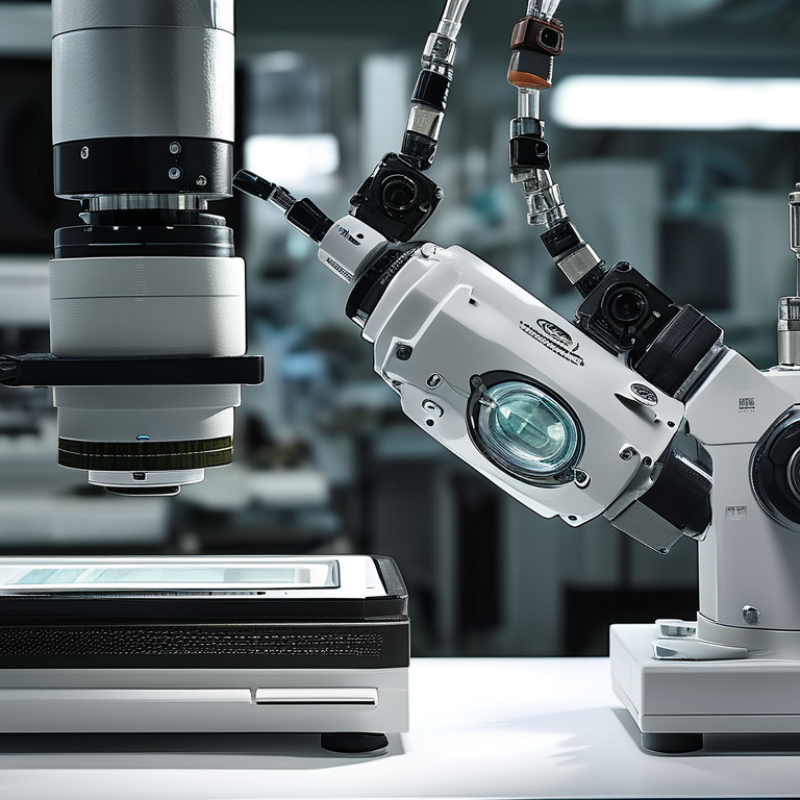
Choosing a reliable OEM partner for endoscopic tools is crucial for quality and innovation. When evaluating potential partners, consider their experience in the endoscopy field. Look for companies with a proven track record in manufacturing and a deep understanding of endoscopic technology. This expertise ensures they can meet complex demands.
Assess the quality of their materials and manufacturing processes. Ask for certifications and compliance with industry standards. A trustworthy OEM partner should prioritize quality control and provide transparency at each production stage. Delve into their R&D capabilities. Partners with robust research departments are more likely to develop innovative solutions tailored to your needs.
Tips: Always seek references from other clients. These insights can reveal a partner's reliability. Evaluate communication practices during your inquiries. Clear, responsive communication is a good indicator of future collaboration success. Consider their ability to adapt to your specific needs, as flexibility can be a key to a fruitful partnership.
| Criteria | Importance Level (1-5) | Evaluation Method | Comments |
|---|---|---|---|
| Industry Experience | 5 | Review past projects, case studies | Look for at least 5 years of relevant experience. |
| Quality Certifications | 5 | Check for ISO and other relevant certifications | Certifications ensure adherence to quality standards. |
| Technological Capabilities | 4 | Visit manufacturing facilities, assess equipment | Technology should meet current industry standards. |
| Communication & Collaboration | 5 | Evaluate responsiveness, project management practices | Effective communication is crucial for successful partnerships. |
| Cost Competitiveness | 3 | Get detailed quotes, analyze total cost of ownership | Consider long-term value, not just the lowest price. |
: Focus on their experience in the endoscopy field. Check for a proven track record and industry knowledge.
Request details about their materials, manufacturing processes, and certifications. Transparency is key throughout production.
Experienced manufacturers usually have better quality. Their expertise influences design and production outcomes significantly.
Examine their R&D resources. A strong research department is likely to offer tailored and innovative solutions.
Compliance with standards is essential for product quality. Check their familiarity with relevant regulations in your region.
Look for ISO certifications and specific certifications for endoscopic tools. These indicate their commitment to safety and quality.
Yes, a successful history of passing regulatory audits suggests reliability. It shows they adhere to compliance measures.
Client references provide insights into the OEM's reliability and accountability. They can reveal strengths and weaknesses.
Clear and responsive communication indicates future collaboration success. It reflects the company's commitment to partnership.
Evaluate their flexibility in addressing your unique requirements. Adaptability is crucial for a successful partnership.
When considering "How to find a reliable OEM partner for endoscopic tools?", it's crucial to identify key criteria that will inform your selection process. Start by evaluating the manufacturer's experience in producing endoscopic tools, as a proven track record can significantly impact product quality and reliability. Compliance with regulatory standards and certifications is another essential factor, ensuring that the OEM partner meets industry requirements for safety and efficacy.
Furthermore, it's important to understand the cost structures and pricing models associated with OEM partnerships to ensure they align with your budget and financial goals. Lastly, reviewing the OEM's quality assurance processes and product testing protocols will provide insight into their commitment to delivering high-quality endoscopic tools. By considering these aspects, you can make an informed decision in choosing a trustworthy OEM partner.

 Centuri Medical