In the surgical world, the choice of instruments can significantly impact patient outcomes. Among these instruments, trocars play a crucial role. A recent industry report by the World Health Organization indicates that the adoption of reusable medical devices, including trocars, can reduce surgical costs by 15-30%. However, healthcare professionals often grapple with the dilemma: what is the difference between reusable and disposable trocars?
Dr. Emily Roberts, a leading expert in minimally invasive surgery, suggests, “Understanding the nuances between reusable and disposable trocars can inform better decision-making in surgical settings.” Disposable trocars are typically used once and discarded, minimizing the risk of infection. Conversely, reusable trocars can be sterilized and used multiple times, presenting potential cost savings for hospitals.
Yet, the choice is not without challenges. Reusable trocars require stringent sterilization protocols to ensure safety, while disposable options present environmental concerns. As the medical field evolves, the debate continues. The quest for the best trocar solution reflects broader trends in surgery, encompassing safety, efficiency, and sustainability. Each option has merits and drawbacks warranting thoughtful consideration.
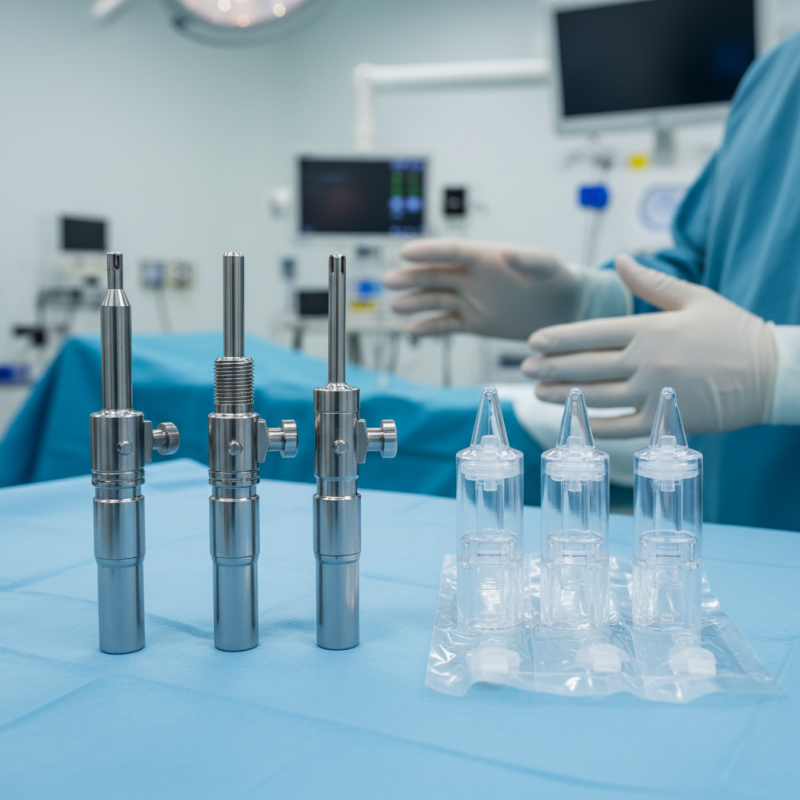
Trocars are essential surgical instruments used for creating access points into the body. They typically consist of a sharp, pointed end and a hollow tube. Surgeons use them in minimally invasive procedures, allowing access to the abdominal cavity and other areas. Proper understanding of trocars' functions is key in surgical practices.
When considering reusable and disposable trocars, it's vital to know their implications in safety and efficacy. Reusable trocars often have a higher upfront cost but can be more environmentally friendly. Disposable trocars, on the other hand, enhance sterility and eliminate the risk of cross-contamination.
Tips: Always inspect trocars before use. A damaged trocar can lead to complications. Additionally, consider the procedure type when choosing between reusable and disposable options. Procedures requiring high sterility might benefit from disposable trocars. Understanding personal and institutional needs can guide better choices in surgical practice.
Reusable trocars are essential tools in surgical procedures. These instruments are commonly made from
high-quality stainless steel or other durable materials. Their design allows them to withstand
multiple sterilizations without losing integrity. This durability is a key advantage for
operating rooms, which prioritize reliability and safety.
However, the materials used can present challenges. Stainless steel may corrode over time if not properly maintained. Additionally, the high initial costs
can be a concern for some hospitals. It’s crucial for healthcare providers to assess these factors. They must balance the benefits of reusable trocars
against their upkeep.
Regular training on cleaning and sterilization protocols is essential. When staff are well-informed, the risk of infections decreases. Still, the training
process itself may not be foolproof. Ongoing monitoring and feedback are necessary to ensure compliance.
Choosing reusable trocars requires careful consideration of these complexities.
Disposable trocars have unique characteristics that make them suitable for specific medical procedures. These instruments are typically made from lightweight plastics. They provide single-use convenience, reducing the risk of cross-contamination. In many cases, they are preferred for outpatient surgeries or procedures requiring swift setup. Healthcare professionals appreciate the ease of disposal, especially in busy hospital settings. They minimize the need for sterilization, saving valuable time.
However, there are drawbacks. Some surgeons note that disposable trocars may lack the durability of reusable options. They can flex more easily, which could impact precision during surgery. The cost associated with continuous purchasing could also accumulate over time. Environmental concerns arise as well, creating a tension between convenience and sustainable practices. Healthcare facilities must consider their impact on waste management while maintaining patient safety. Finding the right balance in using disposable versus reusable trocars is essential in modern surgical practice.
In the ongoing debate over reusable versus disposable trocars, cost analysis is crucial. A recent industry report indicates disposable trocars can cost healthcare providers between $30-$50 each. In contrast, reusable trocars, while having a higher initial investment of around $100-$200, can be sterilized and used multiple times. This translates to significant savings over time, especially for facilities performing a high volume of surgeries.
Despite the potential cost savings, some healthcare professionals raise concerns about the reliability of reusable trocars. Each use and sterilization cycle can affect the integrity of these instruments. A study revealed that reprocessed trocars might fail at a rate of 5-10% due to wear and tear. Surgical teams might face critical delays if a trocar does not function as expected. Furthermore, the management of sterilization processes requires strict protocols to ensure patient safety. Mishaps in this area could lead to adverse outcomes, increasing overall healthcare costs.
Overall, analyzing the cost-effectiveness of trocars goes beyond price tags. While reusable options offer long-term savings, the investment must be balanced against the potential risks in clinical settings. This complexity urges healthcare providers to weigh both financial and operational impacts carefully.
The environmental impact of reusable and disposable trocars is a critical topic in the medical field.
Disposable trocars create significant medical waste. They are single-use, leading to increased landfill contributions.
In contrast, reusable trocars are designed to minimize waste but require meticulous cleaning and sterilization.
This process has its environmental footprint as well, including energy and water consumption.
It's essential to consider the materials used in both types.
Disposable trocars often contain plastics that take decades to degrade. Conversely, reusable options can be manufactured from more durable materials, reducing the frequency of replacements.
Yet, the sustainability of reusables relies heavily on proper maintenance and usage protocols.
Tip: Always assess the lifecycle of surgical instruments. Think about the impact of disposal methods and how they affect the environment.
Moreover, healthcare facilities must weigh the costs of reusable versus disposable options.
There's an initial investment in reusables that can seem daunting.
However, long-term sustainability and cost savings often outweigh this upfront expense.
Tip: Collaborate with environmental sustainability teams to develop effective waste management strategies.
Reflecting on these factors is necessary. The choice impacts not only operational costs but also ecological footprints.
Ensuring that medical practices align with sustainable principles is crucial for future healthcare advancements.
: Reusable trocars are typically made from high-quality stainless steel or other durable materials.
They can withstand multiple sterilizations, making them reliable and safe for operating rooms.
Stainless steel may corrode if not properly maintained, affecting the instrument’s integrity.
Disposable trocars range from $30 to $50 each, while reusable trocars cost around $100 to $200 initially.
Reprocessed trocars may fail at a rate of 5-10% due to wear and tear.
Strict sterilization protocols are necessary, and mishaps can lead to patient safety issues.
Disposable trocars contribute significantly to medical waste, increasing landfill contributions.
They minimize waste but require energy and water for cleaning and sterilization.
Initial investments in reusable trocars can seem high, but long-term savings and sustainability are vital.
Collaborating with environmental teams on waste management strategies is a practical approach.
The article titled "Top 10 Differences Between Reusable and Disposable Trocars" explores the essential aspects of trocars used in surgical procedures. Trocars serve a critical role in minimally invasive surgeries by facilitating access to the body’s interior. The article outlines the differences between reusable and disposable trocars, focusing on their materials, characteristics, and practical applications.
A significant discussion includes a cost analysis comparing reusable to disposable trocars, highlighting their long-term economic implications. Additionally, the environmental impact associated with both types of trocars is examined, addressing concerns around sustainability in healthcare. Ultimately, the article seeks to answer the question, "What is the difference between reusable and disposable trocars?" by providing a comprehensive overview of their definitions, uses, and overarching effects on surgery and the environment.

Centuri Medical