Endoscopic procedures are vital in modern medical diagnostics. However, one common issue faced by practitioners is lens fogging. Fogging can obstruct visibility, complicating procedures and potentially affecting patient outcomes. Reports indicate that up to 30% of endoscopists encounter this problem during routine exams. This raises the question: "Why does an endoscope lens fog up and how to prevent it?"
Moisture accumulation on the lens is often the culprit. Temperature differences between the endoscope and body tissue can lead to condensation. When operating in warm environments, this issue is exacerbated. Recent studies highlight that lens fogging can reduce procedural efficiency by 20%. Such statistics emphasize a critical need for effective preventive measures.
Preventing fogging requires a multifaceted approach. Techniques like pre-warming the endoscope can significantly mitigate this challenge. Additionally, using antifog solutions may offer solutions, although their efficacy can vary. Understanding the underlying mechanics of fogging is essential for healthcare professionals committed to improving endoscopic outcomes. Increased awareness and knowledge can help reduce lens fogging, ultimately enhancing patient care.
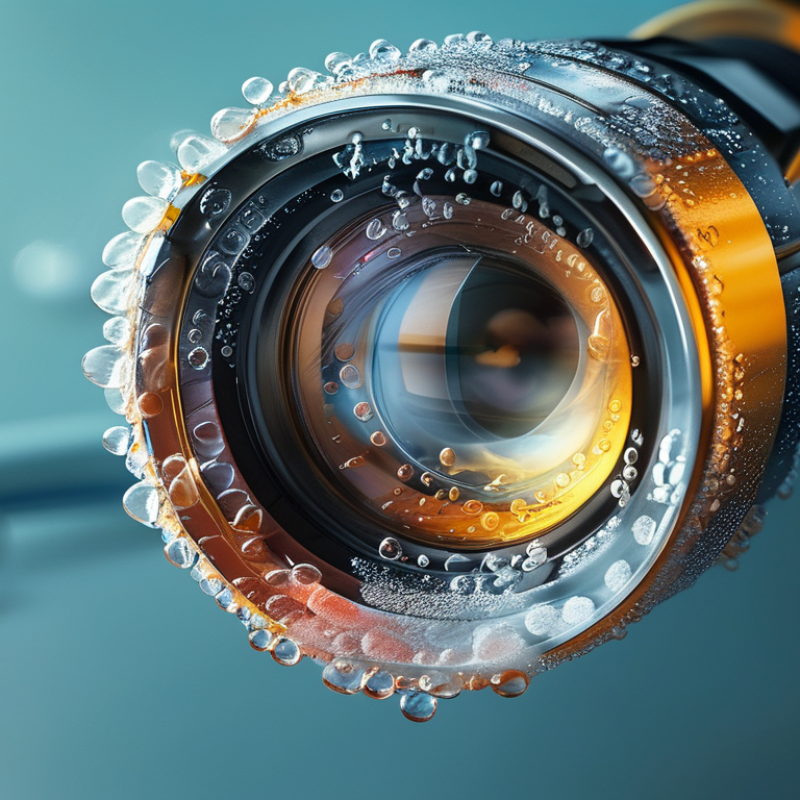
Endoscope lens fogging is a common issue that many medical professionals face. This phenomenon occurs when warm, moist air enters the endoscope and meets the cooler surface of the lens. The temperature difference causes condensation to form. Foggy lenses can obstruct the view, making procedures more challenging.
Understanding the mechanism behind this fogging is crucial. When the endoscope is inserted into a patient's body, the lens is often cooler than the surrounding air. The moisture in that air condenses on the colder surface. Factors like room temperature and patient body heat can affect this. Many professionals struggle with prevention strategies.
Effective solutions include warming the endoscope prior to use. This may help reduce the temperature differential. Using anti-fog solutions can also be beneficial, though their effectiveness varies. Some practitioners feel frustrated by these persistent issues. Each method has its drawbacks, and no single solution works flawlessly. Adapting techniques to specific circumstances can improve outcomes.
Fogging in endoscope lenses can hinder visibility during critical procedures. Various factors contribute to this issue, primarily temperature changes and humidity levels. It’s essential to understand these causes to effectively address them.
Temperature fluctuations can create condensation inside the lens. For example, when a cold endoscope is introduced to warm, humid environments, moisture may form on the lens. This is particularly troublesome in surgical settings where precision is vital. Humidity, too, plays a significant role. High humidity can lead to excess moisture build-up, causing obscured images.
Preventive measures are crucial in combating lens fogging. Proper warming of the endoscope and the surrounding environment can help reduce condensation. Using anti-fog solutions may offer temporary relief but can vary in effectiveness. Regular maintenance and checking for damages also ensure optimal performance. Practicing caution during storage, avoiding extreme temperature changes, and monitoring humidity conditions can significantly minimize incidences of fogging.
Temperature and humidity significantly impact endoscope performance. When the environment is too humid, moisture can condense on the lens. A study found that 75% of endoscopists reported lens fogging during procedures in high humidity. This condensation creates both visibility issues and patient care risks.
Controlling the environment is essential. The ideal humidity level for endoscopy procedures is around 30-50%. Moreover, the temperature should be maintained around 20-25 degrees Celsius. This reduces the chance of lens fogging. Equipment designed for temperature regulation is crucial in achieving these conditions.
Endoscopists must be prepared for unexpected challenges. Even with careful control, fogging may still occur. Regular training and adaptive techniques can help mitigate this issue. For instance, breathing warm air onto the lens can help temporarily prevent fogging. Understanding environmental factors can lead to improvements in procedural efficacy.
Fogging on endoscope lenses is a common issue that disrupts procedures. The primary cause is the temperature difference between the lens and the surrounding environment. This leads to condensation forming on the lens surface. To combat this, various methods can be employed effectively.
One effective method is to pre-warm the endoscope before use. By gradually acclimating the lens to the procedure room's temperature, condensation is less likely to form. Additionally, using anti-fogging solutions specifically designed for medical optics can reduce fogging. These solutions create a protective layer that minimizes moisture accumulation. Regularly cleaning the lens with an appropriate and non-abrasive cleaner also helps prevent fog buildup.
Maintaining proper ambient conditions is crucial. Adjusting the humidity and temperature in the operating room can significantly lessen fogging occurrences. However, despite these measures, some fogging may still happen unexpectedly. Acknowledging this possibility is important for practitioners. Having a strategy in place to address fogging, such as momentarily pausing the procedure to wipe the lens, can help maintain workflow. Taking these proactive steps ensures better visibility during critical procedures.
| Fogging Cause | Prevention Method | Effectiveness (%) | Notes |
|---|---|---|---|
| Temperature Difference | Pre-warm the endoscope | 85% | Effective in reducing fogging from temperature shifts. |
| Humidity | Use anti-fogging solutions | 90% | Highly effective when applied directly to the lens. |
| Misting from breath | Maintain proper positioning | 70% | Can reduce direct breath exposure. |
| Contamination | Regular cleaning and maintenance | 95% | Ensures clear visibility and reduces fogging due to residue. |
| Lens Damage | Use protective covers | 80% | Helps prevent scratches and fogging from damage. |
Endoscope lens fogging can significantly impact image clarity during procedures. This issue often arises due to temperature differences, moisture, and inadequate preparation. According to a study published in the Journal of Gastrointestinal Surgery, approximately 30% of endoscopic procedures report fogged lenses. This suggests that the problem is prevalent and can lead to diagnostic errors or prolonged surgeries.
To maintain clear endoscope images, several best practices are recommended. First, pre-warming the endoscope can reduce fogging. Keeping the device in a warm environment helps minimize temperature changes. Using anti-fog solutions or coatings can also be beneficial. A small study showed that applying these products decreased fogging incidents by over 40%. Another essential practice is ensuring proper drying of the lenses before use. Proper storage conditions help keep moisture at bay.
Routine maintenance is critical. Regularly cleaning and inspecting lenses can spot potential issues before they happen. Technicians should adhere to strict guidelines when handling instruments. While these practices help reduce fogging, it’s essential to recognize that no method is flawless. Even with preventive measures, some fogging may still occur, requiring prompt intervention during procedures. Acknowledging these challenges is vital for improving surgical outcomes and patient safety.
: Lens fogging occurs due to temperature differences and humidity. Moist air cools upon contact with the colder lens.
Pre-warming the endoscope helps reduce condensation. Ensure the device is stored in a warm environment.
Yes, anti-fog solutions can help but their effectiveness varies. Some may not work as well in every situation.
Regular cleaning is essential. Inspect lenses to prevent potential issues and maintain image clarity during procedures.
High humidity can cause excess moisture build-up. Monitor conditions to minimize fogging in the lens.
Yes, fogging can still happen even with preventive measures. Prompt intervention may be needed during procedures.
It obstructs visibility, potentially leading to diagnostic errors or prolonged surgeries. Clear images are critical for precision.
Each method has drawbacks. No single solution is perfect, and adapting to specific circumstances is important.
Temperature fluctuations create condensation. Cold endoscopes introduced to warm, humid air often fog up.
Improper storage can expose lenses to extreme temperature changes and moisture, increasing the likelihood of fogging.
Endoscope lens fogging is a common issue that can hinder medical visualization and procedures. Understanding why an endoscope lens fogs up and how to prevent it is crucial for maintaining optimal performance during examinations. The article explores the mechanisms behind fogging, highlighting factors such as temperature fluctuations and high humidity levels, which can cause condensation on the lens surface.
To prevent fogging, several effective methods are discussed, including the use of antifog solutions and maintaining controlled environmental conditions during procedures. Implementing best practices for lens maintenance, such as regular cleaning and proper handling, can further ensure clear imaging. By addressing these aspects, healthcare professionals can greatly enhance the efficacy of endoscopic procedures and deliver better patient outcomes.

Centuri Medical