How to Fix a Failing Endoscopy Light Source in 2026?

Time:2026-05-09 Author:Liam
0%

In the field of endoscopy, a reliable light source is crucial for successful procedures. However, technicians and medical professionals often face challenges with failing endoscopy light sources. In 2026, devices continue to evolve. Proper maintenance and troubleshooting become essential skills for medical personnel. Understanding how to troubleshoot a failing endoscopy light source? is vital for patient safety and diagnostic accuracy.

When faced with a malfunction, the immediate response can significantly impact outcomes. Begin by checking the power supply and connections. Simple issues, like loose cables or blown fuses, often cause light failures. Conducting a methodical inspection reduces downtime and enhances workflow.

Yet, not all failures are straightforward. Some issues may stem from internal components that require deeper investigation. It can be frustrating, and sometimes experts overlook fundamental aspects. This uncertainty prompts a deeper reflection on best practices for routine maintenance. Ultimately, developing expertise in troubleshooting is not just practical but necessary for reducing procedure delays and ensuring optimal patient care.
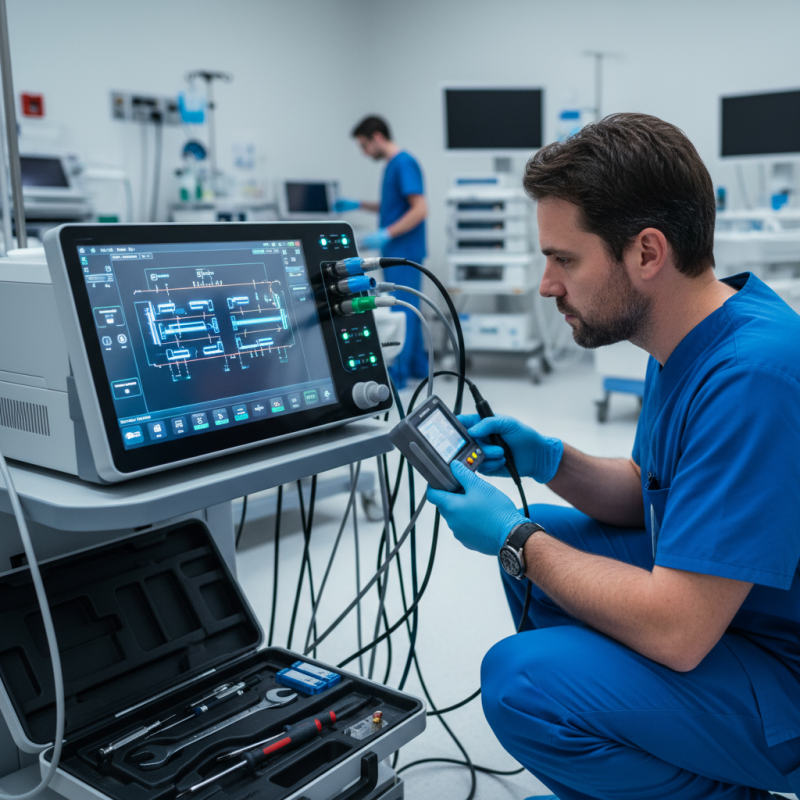
How to Fix a Failing Endoscopy Light Source in 2026?

Identifying Common Issues with Endoscopy Light Sources

Endoscopy light sources are critical for effective diagnostics and procedures. Common issues can significantly hinder clinical performance. According to a 2023 report by the Medical Imaging and Technology Alliance (MITA), approximately 30% of endoscopy light sources malfunction annually. This leads to challenges in visual clarity, potentially impacting patient outcomes.


One prevalent problem is inconsistent brightness. This can result from bulb degradation, affecting illumination levels. Regular maintenance checks are essential. The FDA suggests a preventive maintenance schedule every six months. Identifying early signs of failure can help avoid costly repairs or replacements.


Another common issue is overheating. Light sources can overheat if airflow is restricted. This compromises performance and may cause equipment failure. Technicians should routinely inspect ventilation systems. Neglecting these details can lead to longer downtimes and increased operational costs. Addressing these problems proactively can improve the reliability of endoscopy procedures.

Essential Tools and Equipment for Troubleshooting

When dealing with a failing endoscopy light source, understanding the essential tools and equipment can make a significant difference. A reliable light intensity meter is crucial. It helps you gauge whether the light source is functioning within acceptable parameters. Invest in a digital multimeter to check electrical connections and voltage levels. This tool allows you to pinpoint faulty components.


Documentation is invaluable. Keep manuals and schematics on hand for specific troubleshooting guidance. Regularly update your knowledge on advancements in endoscopy technology. This sharpens your skills and ensures you’re prepared for various issues.


Tips: Ensure your workspace is well-organized. Misplaced tools can lead to delays and frustration. Create a checklist for equipment inspections. This practice helps catch problems early. Maintaining a stock of replacement bulbs might also save you time during repairs. Regularly test your equipment for reliability and performance to avoid unnecessary failures.

Step-by-Step Guide to Diagnosing Light Source Failures

Diagnosing light source failures in endoscopy can be quite challenging. Start by checking the power supply. Ensure it’s plugged in and switched on. This small detail often gets overlooked. If there’s no light, inspect the cables for damage. Frayed wires can cause intermittent failures.

Another key point is to examine the bulbs. If they are burnt out, replace them with new ones. Keep spare bulbs on hand for quick replacements. Over time, bulbs can dim, compromising visibility. Regularly checking their brightness is essential for effective procedures.

Tips: Maintain a log of your light source issues. Documenting recurring problems can help identify patterns. Don’t ignore unusual flickers in the light. This could indicate a larger issue brewing. Lastly, consider the environment. Excessive dust or moisture can affect performance. Always keep your equipment clean and in a suitable area. Heavy usage requires more frequent maintenance checks.

Techniques for Repairing or Replacing Faulty Components

When dealing with a failing endoscopy light source in 2026, recognizing specific faulty components is crucial. A 2023 report from the Medical Equipment Manufacturers Association indicated that improper maintenance accounts for 30% of device failures. Many components can cause these issues, from the bulb itself to the wiring.

A common problem is with the fiber optic cables. They may accumulate dirt or may not be properly connected. Cleaning or replacing these cables can significantly improve light output. Make sure to follow best practices when handling these cables to avoid damage.

Tips: Regularly inspect the light source and clean components. Ensure all connections are secure. Keep a maintenance log for easier tracking.

Another area to focus on is the power supply. Fluctuations can cause intermittent failures. Testing the voltage output can determine if the power supply needs replacement. Checking for loose connections can also be beneficial.

Tips: Test power supply at regular intervals. Look for signs of wear on components. Consider environmental factors that may affect performance.

Failure Rate of Endoscopy Light Sources by Component in 2026

Best Practices for Preventing Future Failures in Light Sources

Maintaining an endoscopy light source requires attention to detail and regular upkeep. The quality of light directly influences procedure outcomes. Regularly inspect the light source for any signs of wear. Common issues include flickering or reduced brightness, which can signal an impending failure. Clean the components regularly to remove dust and debris. A clean lens enhances light output, which is crucial during procedures.

Training staff on proper usage can prevent many issues. Proper handling minimizes damage risks. Encourage reporting of any abnormalities immediately. This fosters an environment of vigilance and care. Develop a maintenance schedule that includes detailed checklists to track the light source's condition. Consistently assessing functionality ensures early detection of problems.

Investing time in preventive measures pays off. Techniques such as proper electrical connections can reduce failure rates. However, it is essential to acknowledge that no system is flawless. A backup light source should always be available. This helps maintain workflow and patient safety. Regular reflection on these practices will lead to continuous improvement in maintenance and reliability.

FAQS

: What is a common issue with endoscopy light sources?

: Inconsistent brightness is often reported. This can be caused by bulb degradation.

How often should endoscopy light sources be inspected?

It is recommended to conduct maintenance checks every six months.

What can happen if light sources overheat?

Overheating can compromise performance and lead to equipment failure.

How can technicians prevent overheating?

Regularly inspect ventilation systems to ensure proper airflow.

What should be done if flickering or reduced brightness occurs?

These symptoms indicate potential failure. Inspect the light source immediately.

Why is staff training important for using endoscopy light sources?

Proper training reduces damage risks and encourages timely reporting of issues.

What is a cost-effective maintenance strategy for light sources?

Develop a detailed maintenance schedule to track the condition of light sources.

Should a backup light source be available?

Yes, having a backup ensures workflow continuity and patient safety.

How does cleanliness affect light source performance?

A clean lens enhances light output, which is crucial during procedures.

Is it possible to eliminate all failures in light sources?

No system is flawless, but proactive maintenance can reduce failure rates.

Conclusion

In the article "How to Fix a Failing Endoscopy Light Source in 2026?", readers are guided through the critical process of troubleshooting a failing endoscopy light source. It begins by identifying common issues that may arise, such as flickering, dimness, or complete failure. To effectively answer the question, "How to troubleshoot a failing endoscopy light source?", the article outlines essential tools and equipment necessary for diagnosing problems.

A comprehensive step-by-step guide follows, detailing methods for diagnosing light source failures and techniques for repairing or replacing faulty components, ensuring the light source is restored to optimal function. Additionally, the article emphasizes best practices to prevent future failures, highlighting the importance of regular maintenance and careful handling. This structured approach empowers medical professionals to tackle issues with confidence and enhance the reliability of their endoscopic procedures.

Liam

Liam

Liam is a dedicated marketing professional with a profound expertise in the industry, where he excels at highlighting the unique advantages of our core products. With a keen understanding of market trends and consumer needs, Liam frequently updates our company’s professional blog, providing......