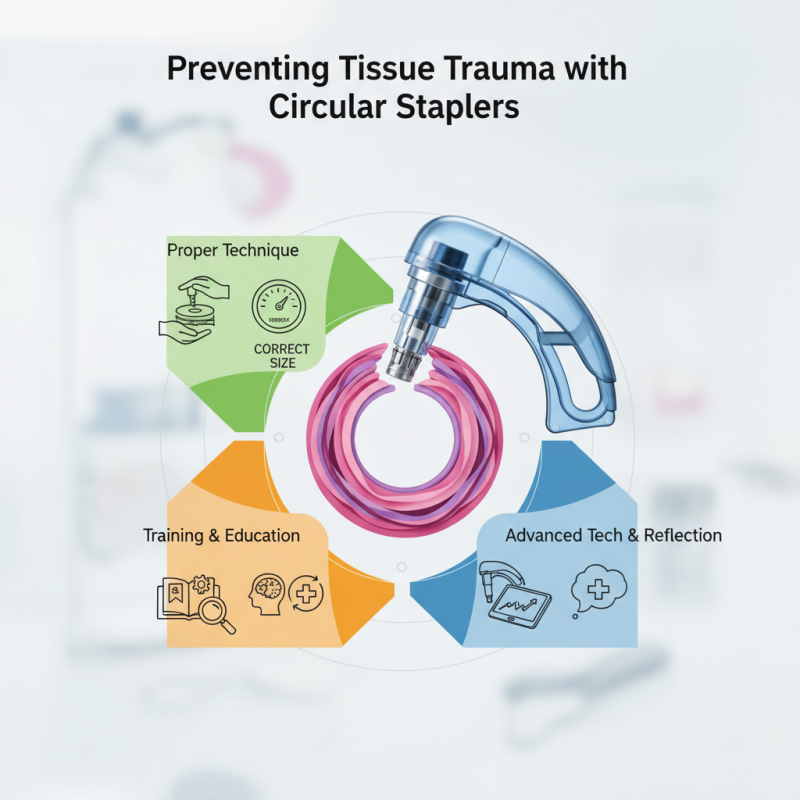
In surgical procedures, the use of circular staplers is vital. However, these tools pose a risk of unintentional damage to surrounding tissues. Understanding how to avoid accidental tissue trauma with circular staplers is crucial for surgeons. Proper technique and awareness can significantly reduce complications.
Surgeons often face challenges during placement. Misalignment can lead to excessive pressure on delicate tissues. Using the correct size stapler is critical. A stapler that is too large can crush structures; one that is too small may not secure adequately. Training in best practices is essential.
Incorporating advanced techniques and technologies can enhance safety. Continuous education on the latest innovations in stapler design can further prevent tissue trauma. Reflecting on surgical experiences helps identify frequent pitfalls. Each operation presents unique challenges, emphasizing the importance of vigilance and expertise in maximizing patient safety.
Understanding Tissue Trauma in Surgical Procedures
Tissue trauma is a significant concern in surgical procedures, especially when using circular staplers. Understanding how tissue behaves during these processes can help improve outcomes. Tissue trauma occurs from mechanical forces that disrupt cellular structures. With circular staplers, the risk arises when the stapler compresses tissue too tightly or unevenly. This knowledge is crucial for surgeons seeking to minimize damage.
Surgeons must be aware of various factors that contribute to tissue trauma. For example, the angle of stapler application can affect how the tissue compresses. Additionally, the type of tissue being stapled matters. Some tissues, like those in the digestive tract, handle stress better than others. Surgeons often need to consider the biological variability among patients as well. This variability can complicate the stapling process, increasing potential trauma.
Reflecting on past experiences can lead to better techniques. Continuous learning from surgeries can reveal common pitfalls. Identifying patterns of trauma allows for adjustments in future procedures. Moreover, collaborating with peers can shed light on different perspectives. There’s always room for improvement in surgical techniques, especially regarding tissue preservation. Understanding these nuances is essential for enhancing surgical outcomes.
Overview of Circular Staplers and Their Mechanism
Circular staplers are essential surgical tools designed to efficiently connect tissue. They function through a mechanism that staples and simultaneously cuts the tissue, promoting healing. The circular design ensures even distribution of pressure, minimizing the risk of tissue trauma.
Using circular staplers requires skill and precision. Incorrect placement can lead to complications. Surgeons must consider the patient’s anatomy before use.
Tips: Always assess the tissue condition before stapling. Holding the stapler at the right angle is crucial for success. Regular training on advanced techniques can enhance proficiency.
One common challenge is ensuring even tension. Uneven pressure may cause leaks or complications. It’s important to be vigilant and adjust your technique as necessary. Practicing on simulators is beneficial for mastering the tool.
Best Practices for Using Circular Staplers Safely
Using circular staplers requires careful attention to avoid tissue trauma. Proper technique and awareness of each step can enhance patient safety. Adopting best practices can minimize complications during procedures.
One essential tip is to ensure that the tissue is properly aligned before firing the stapler. Misalignment can lead to uneven staples, putting extra pressure on the tissue. This pressure may cause unnecessary trauma. Always double-check the positioning. It’s vital to establish a smooth and secure tissue plane. A good grip on the stapler enhances control and precision, limiting risks.
Another important aspect is the selection of appropriate stapler sizes. Using the right size for the tissue thickness prevents excessive compression. Over-compression can restrict blood flow, leading to ischemia. Understanding the differences in tissue characteristics and aligning them with stapler specifications is crucial.
Continuous training and skill assessment are vital. This helps in maintaining proficiency and adapting to various clinical scenarios. Remember, every procedure is an opportunity for learning and improvement.
Key Techniques to Minimize Tissue Damage
Circular staplers are invaluable tools in modern surgery. They offer efficient solutions for anastomosis but can also pose risks of tissue trauma. Key techniques exist to minimize this risk, enhancing patient outcomes.
One essential technique is to optimize stapler placement. Proper alignment ensures even tissue compression. A study from the Journal of Surgical Research found that misalignment can increase tissue ischemia rates by 30%. Surgeons should slow down their technique, allowing for a more controlled deployment. This consideration can significantly reduce complications.
Tip: Always assess the tissue's condition before stapling. Is the tissue healthy? Consider a gentle approach if any signs of fragility are present.
Another technique focuses on tissue handling. Minimizing direct trauma during manipulation can lead to better healing. According to a report from the American College of Surgeons, excessive handling can increase complication rates by 20%. Surgeons should practice delicate techniques. Use forceps sparingly and avoid excessive pulling.
Tip: Engage with surgical team members. Discuss ways to improve handling techniques and share insights on effective practices. This collaboration can enhance overall performance.
In conclusion, mastering techniques with circular staplers is critical in reducing tissue trauma. Proper placement and careful handling are integral to improving surgical outcomes.
Post-Operative Care to Support Healing and Recovery
Post-operative care plays a crucial role in supporting healing and recovery following surgeries that use circular staplers. Maintaining an optimal environment for tissue healing is key. According to a study published in the "Journal of Surgical Research," proper wound care and nutrition significantly reduce the risk of complications. Patients should be educated about signs of infection and the importance of regular follow-ups.
Tips: Ensure proper hydration and a balanced diet rich in protein. These nutrients are essential for tissue repair. Avoid straining during recovery; excessive pressure can impair healing.
Monitoring pain levels is critical. Pain can indicate complications, such as tissue trauma or infection. A recent report from the Center for Disease Control and Prevention highlights that effective pain management reduces recovery time by about 20%. Listening to the body and communicating openly with healthcare providers can help in maintaining a positive healing process.
Tips: Keep a pain journal to track your progress. Documenting changes can help your healthcare team adjust your pain management plan effectively. Engage in gentle activities as advised, but do not rush the healing process.
How to Prevent Tissue Trauma with Circular Staplers? - Post-Operative Care to Support Healing and Recovery
| Dimension |
Description |
Recommended Practices |
| Tissue Handling |
Proper handling of tissue during stapling to minimize trauma. |
Use blunt dissection techniques and avoid excessive tension on tissues. |
| Stapler Technique |
Correct use of circular staplers to ensure even tissue compression. |
Ensure the stapler is properly calibrated and applied at the correct angle. |
| Post-Operative Care |
Care instructions to promote healing after surgery. |
Follow up with appropriate analgesics and monitor for signs of infection. |
| Patient Education |
Informing patients about signs of complications. |
Educate on what symptoms to watch for and when to seek help. |
| Follow-Up |
Importance of follow-up appointments to assess recovery. |
Schedule routine check-ups to monitor healing and adjust care as needed. |
Conclusion
Preventing tissue trauma during surgical procedures is crucial for successful patient outcomes. Understanding the mechanics of circular staplers is essential, as these instruments play a vital role in tissue approximation and sealing. To avoid accidental tissue trauma with circular staplers, surgeons must adhere to best practices, including proper selection of stapler size and orientation. Techniques such as ensuring appropriate tension during application and maintaining a steady hand can greatly minimize tissue damage.
Post-operative care also plays a significant role in supporting healing and recovery. Implementing strategies for monitoring and managing potential complications can enhance patient outcomes. By focusing on these best practices and techniques, healthcare professionals can effectively navigate the challenges associated with circular staplers and safeguard against unnecessary tissue trauma.

 Centuri Medical