Electrosurgical smoke can significantly obstruct a surgeon's view during procedures. It's a common issue and can lead to serious complications. Dr. Sarah Thompson, a leading expert in surgical smoke management, has stated, “Clear visibility is crucial for successful surgeries, and smoke can hinder that.” This insight highlights the importance of addressing smoke effectively.
To tackle the question, "How to prevent electrosurgical smoke from obstructing the view?" various techniques exist. Continuous suction devices can effectively minimize smoke in the operating field. Additionally, the proper use of smoke evacuators can help maintain a clear view. These devices should be positioned strategically to capture smoke at its source.
However, it's essential to acknowledge that understanding the problem isn't always straightforward. Surgeons often find themselves caught off guard by smoke buildup. Frequent training can mitigate this, yet many facilities overlook the need for regular updates. Addressing this issue demands constant vigilance and adaptation to new technologies. By prioritizing clear visibility, surgical teams can improve their procedures' overall safety and effectiveness.
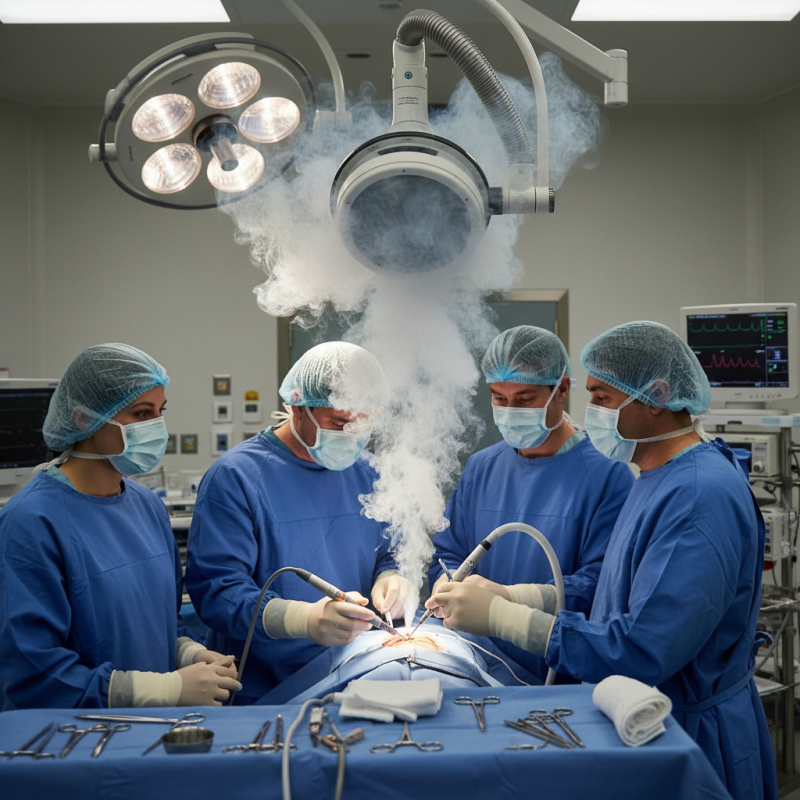
Electrosurgical smoke is an outcome of tissue vaporization during surgical procedures. This byproduct can obscure visibility, affecting the surgeon's precision. Furthermore, the smoke carries harmful chemicals that can pose health risks to the surgical team. Understanding its impact on visibility is essential.
Surgeons face significant challenges when electrosurgical smoke fills the operating room. It can interfere with the view of critical anatomical structures, leading to potential surgical errors. The smoke not only reduces contrast but also distorts the surgical field. Without proper measures in place, every procedure becomes riskier.
Tips: Implementing smoke evacuation systems is critical. These devices can reduce smoke, improving clarity. Regular maintenance of these systems ensures they operate efficiently. Additionally, using high-flow suction during procedures can further minimize smoke accumulation. Training staff on effective smoke management is essential. This training can help maintain a safer, clearer surgical environment.
Electrosurgical smoke, often produced during surgical procedures, can obstruct the surgeon's view. Understanding the common causes of smoke build-up is essential. When tissue is heated, it produces particulate matter and gases. This smoke can accumulate quickly in enclosed surgical environments. Factors such as the type of tissue being cut and the power settings can significantly influence the volume of smoke generated.
Improper suction or inadequate smoke evacuation systems can exacerbate the problem. Surgeons sometimes notice that the smoke interferes with their line of sight. Even minor adjustments in technique may help reduce this smoke. Using lower energy settings or adjusting the cutting speed can limit smoke production. Each surgical environment requires a tailored approach for managing smoke effectively.
In clinical practice, a balance between visibility and safety is crucial. Surgeons must be vigilant and adapt quickly whenever smoke begins to obscure their field. The initial setup of surgical instruments plays a significant role in minimizing smoke. Ensuring that smoke evacuators are functioning correctly is vital. Regular checks can make a meaningful difference. Each surgery teaches us new lessons in managing the challenges posed by electrosurgical smoke.
| Cause | Description | Prevention Method |
|---|---|---|
| Inadequate Smoke Evacuation | Insufficient suction power or poor placement of smoke evacuators can lead to smoke build-up. | Ensure that smoke evacuators are of high quality and positioned correctly during procedures. |
| Electrosurgical Device Settings | Improper power settings can create more smoke than necessary during surgery. | Adjust settings to the lowest effective power level for the specific procedure. |
| Poor Tissue Preparation | Not properly preparing tissue can result in increased smoke generation during cutting or coagulating. | Ensure thorough tissue preparation and hydration prior to electrosurgical procedures. |
| Incorrect Instrumentation | Using instruments not designed for electrosurgery may lead to excessive smoke production. | Use instruments specifically designed for electrosurgical procedures to minimize smoke. |
| Environment Factors | Limited air circulation in the operating room may exacerbate smoke accumulation. | Ensure proper ventilation in the operating room to facilitate smoke dispersion. |
Electrosurgical smoke can obscure your view during procedures, which is a common frustration for many surgeons. To tackle this issue, implementing techniques to minimize smoke production is crucial.
First, using a lower power setting may reduce smoke generation. High energy settings often lead to excessive smoke that can cloud the surgical field. Another option is to adjust the suction settings. Proper suction can effectively remove smoke while allowing for a clear visual field.
Regularly maintaining equipment is essential. Checking the smoke evacuators for clogs or inefficiencies can make a notable difference. Additionally, utilizing smoke evacuation systems, when appropriate, can reduce the smoke right at the source. It’s important to engage the whole team in these practices. Sometimes, we overlook the shared responsibility in ensuring a clear workspace. Simple reminders about smoke management can enhance focus during critical moments and lower the chances of distractions due to smoke.
Using these techniques can lead to clearer vision and better outcomes. However, challenges may persist. Each surgical environment is unique, and what works for one procedure might not suit another. Continuous reflection on these methods helps refine our approach and improve overall effectiveness. Regular training sessions can keep the team informed and ready to adapt.
Electrosurgical smoke can obscure the surgical field, impacting visibility and safety. Surgeons must prioritize effective smoke evacuation strategies. One key method involves using high-efficiency smoke evacuators. These devices actively remove smoke as it is generated, keeping the area clear for precise work. Proper placement of the evacuator near the smoke source is crucial, as this maximizes its effectiveness.
Another strategy is to maintain optimal ventilation in the operating room. Adjusting airflow can help dissipate smoke quickly. Surgical teams should regularly evaluate their ventilation systems to ensure they meet current standards. Integrating smoke evacuation with standard operating procedures can foster consistency in practice. However, awareness of the limitations is essential. Not all smoke evacuators are equal, and their effectiveness varies.
Training personnel to effectively use smoke evacuation devices is vital. Regular drills can help staff become proficient. They should know how to maintain and troubleshoot equipment. Challenges may arise if team members neglect these practices. Over time, a lack of focus on smoke management can lead to dangerous situations. Continuous reflection on these protocols will elevate surgical safety and visibility.
Maintaining a clear surgical field during electrosurgery is crucial for both patient safety and surgical precision. Electrosurgical smoke can obstruct vision and pose risks of contamination. According to a study published in the Journal of Electrosurgery, around 78% of surgeons reported difficulty seeing the surgical site due to smoke. This scenario raises significant concerns, urging the need for effective strategies.
One effective practice involves the use of smoke evacuators. Evidence suggests that utilizing these devices can reduce smoke by over 90%. Regularly checking and maintaining these evacuators ensures they function optimally. Notably, using these devices in conjunction with adequate lighting helps improve visibility. However, reliance solely on technology is risky. Surgeons must remain attentive and proactive in managing smoke levels during procedures.
Training and awareness are essential components in tackling this issue. Increasing awareness of the importance of smoke evacuation can lead to better compliance among surgical teams. In a survey, roughly 60% of surgical staff admitted to underestimating smoke risks. Continuous education and drills can enhance skills in smoke management, fostering a culture of safety. Encouraging open discussions about challenges faced during surgery can also lead to innovative solutions.
: Electrosurgical smoke is created during tissue vaporization in surgical procedures. It can obscure visibility in the operating room.
Clear visibility is essential for precision. Poor visibility can lead to surgical errors and compromise patient safety.
Electrosurgical smoke can distort the surgical field and reduce contrast, making it harder for surgeons to see critical structures.
Smoke evacuation systems can significantly reduce smoke levels, improving clarity during surgical procedures and enhancing safety.
Regular checks and maintenance are necessary to ensure smoke evacuators function optimally. Neglect can lead to performance issues.
Yes, training staff on smoke management is crucial. It increases awareness of risks and promotes compliance with safety practices.
Yes, solely depending on technology can be risky. Surgeons must actively manage smoke levels throughout the procedure.
Surveys reveal around 60% of surgical staff admit to underestimating the risks associated with electrosurgical smoke.
Open discussions about challenges faced during surgeries can foster innovative solutions and improve strategies for smoke management.
Active monitoring of smoke levels, combined with effective evacuation practices, is key to maintaining a safe surgical environment.
Electrosurgical smoke can significantly hinder visibility during surgical procedures, raising the question of how to prevent electrosurgical smoke from obstructing the view. Understanding the nature of this smoke and its effects on the surgical field is crucial. Common causes of smoke build-up include excessive tissue contact and improper settings on electrosurgical devices.
To minimize smoke production during procedures, surgeons can employ several techniques, such as optimizing the power settings and using appropriate electrode types. Once smoke occurs, effective strategies for evacuation, including the use of smoke evacuators and proper positioning, are essential for maintaining a clear view. Implementing best practices, like regular equipment maintenance and ensuring proper airflow, can further enhance visibility in the operating room, ultimately leading to safer and more efficient surgeries.

Centuri Medical