Top 10 Tips for Storing Flexible Endoscopes Safely

Time:2026-07-01 Author:Isabella
0%

Storing flexible endoscopes properly is crucial for maintaining their functionality and safety. These advanced medical instruments are essential in various procedures, but they are sensitive to mechanical damage. Understanding how to store flexible endoscopes to prevent mechanical damage is vital for healthcare facilities. Proper storage techniques not only extend the lifespan of the equipment but also ensure patient safety.

Many healthcare professionals overlook specific details during storage. For example, the way endoscopes are coiled or placed can lead to significant wear and tear. Incorrect storage can result in costly repairs or replacements. Implementing best practices for storing these devices can help avoid such pitfalls.

Real-world experience shows that an organized and thoughtful approach can yield positive results. Using appropriate storage equipment, like protective cases or racks, minimizes risks. Regular training on storage protocols enhances the team's efficiency and awareness. By prioritizing safe storage, we can enhance the reliability of flexible endoscopes and protect patient care standards.
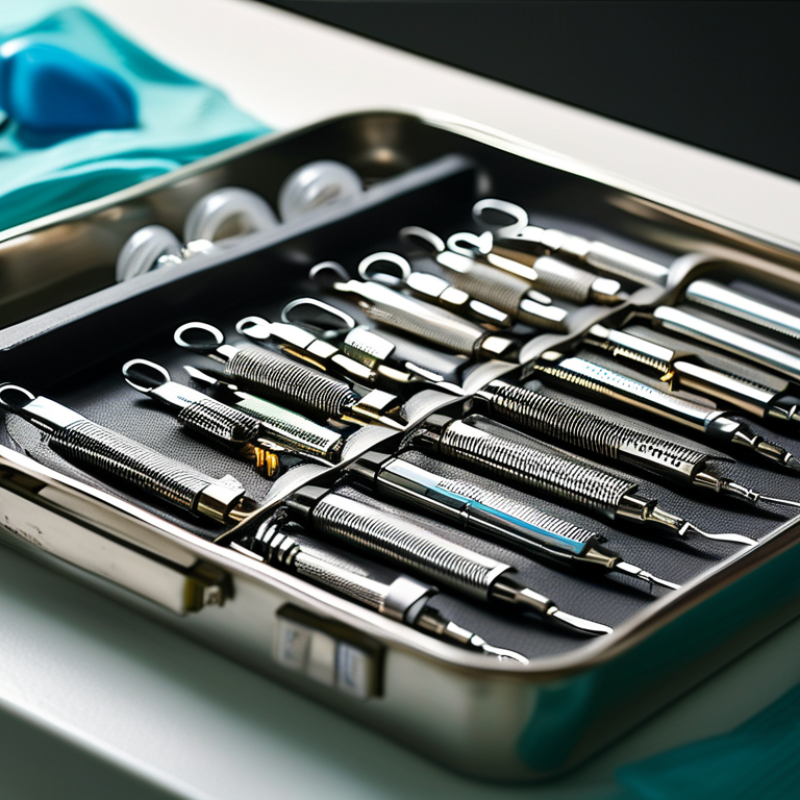
Top 10 Tips for Storing Flexible Endoscopes Safely

Understanding the Importance of Safe Storage for Flexible Endoscopes

Storing flexible endoscopes properly is crucial for maintaining their functionality and safety. These instruments are delicate and require careful handling. Any damage can impair their performance and lead to complications during medical procedures. It’s essential to recognize their unique storage needs to prevent issues down the line.

Each endoscope should be cleaned thoroughly before storage. Residual fluids can lead to damage. Use dedicated storage containers or cabinets that protect from dust and direct sunlight. Regularly inspect storage areas for any signs of moisture or contamination.

Unintended exposure to these elements can compromise the integrity of the endoscopes. Additionally, avoid overloading storage spaces. Crowding can lead to physical damage to the devices. It’s easy to think that a tight fit will save space, but this can cause bends and kinks in the cables. Reflecting on these aspects is vital; ensuring safety is not just about the equipment but also the patients relying on them.

Balancing efficiency with care is a challenge worth addressing.

Essential Environmental Conditions for Endoscope Storage

Storing flexible endoscopes correctly is crucial for extending their lifespan and ensuring patient safety. Essential environmental conditions play a vital role in maintaining these medical devices. The temperature should be stable, ideally between 15-25°C. Sudden fluctuations can compromise the integrity of the endoscopes' materials. Humidity levels should also be controlled, ideally between 30-60%. High humidity can lead to mold growth and damage sensitive components.

It is important to keep the storage area clean and dust-free. Dust accumulation can introduce contaminants that may affect the endoscopes' performance. Regular cleaning routines should be established and documented. Endoscopes should be stored vertically whenever possible. This prevents bending, which can damage both the flexible components and optical fibers.

Tip: Always inspect your endoscopes before storage. Look for signs of wear and tear. Minor issues, if overlooked, could lead to major problems later. The storage environment should be well-ventilated. Poor air circulation can encourage the growth of unwanted bacteria. Maintaining clear and clear protocols can ensure that all staff members understand the importance of these conditions. It is essential to reflect on current practices and make adjustments as needed for continual improvement.

Proper Cleaning and Preparation Before Storage

Proper cleaning and preparation are paramount for the safe storage of flexible endoscopes. According to the Association for the Advancement of Medical Instrumentation (AAMI), over 50% of healthcare-associated infections can be linked to improper cleaning of medical instruments. Before storing endoscopes, they should be thoroughly cleaned with appropriate enzymatic detergents to remove bioburden. This step reduces the risk of microbial growth during storage.

After cleaning, ensure that endoscopes are dried completely. Moist environments can promote biofilm formation on the internal and external surfaces. Data shows that residual moisture can increase the likelihood of contamination by 70%. Storage should occur in a vertical position, allowing air circulation, which further minimizes moisture retention. Utilize designated storage cabinets equipped with airflow features for optimal results.

Regular audits of cleaning procedures should be implemented to identify weaknesses. Feedback from staff about inefficiencies in the cleaning process is vital. Since the guidelines can evolve, staying updated with the latest standards from trusted sources like the Centers for Disease Control and Prevention (CDC) is essential. Adhering to these practices not only enhances patient safety but also prolongs the lifespan of expensive endoscopic equipment.

Recommended Storage Solutions and Devices for Endoscopes

Proper storage of flexible endoscopes is crucial for maintaining their integrity and functionality. A study published in the "Journal of Clinical Endoscopy" found that improper storage can lead to damage and increased infection risks. Hospitals must prioritize the right storage solutions. Cabinets that offer controlled environments can significantly reduce this risk. Temperature and humidity control are essential.

Using dedicated rolling carts for transport is another recommended practice. These carts provide protection during movement from one area to another. Some facilities have reported a 30% decrease in damage when using these specialized carts. Additionally, using padded storage trays can minimize the risk of kinking, which is a common issue.

While some facilities believe standard shelves suffice, many overlook the importance of proper spacing. Crowded spaces may lead to accidents. Regularly checking storage practices and making necessary adjustments is vital. This reflection can lead to a safer practice environment and better outcomes for patient care.

Top 10 Tips for Storing Flexible Endoscopes Safely

Regular Maintenance and Inspection Protocols for Safely Stored Endoscopes

Regular maintenance of flexible endoscopes is crucial for ensuring patient safety. Studies show that improper storage and maintenance lead to infection rates as high as 5%. Regular inspections can identify wear and tear. Endoscopes should be checked for cracks or leaks. These issues can compromise the device's integrity.

The CDC recommends that endoscopes be cleaned and disinfected after every use. Inspections should occur weekly. Keeping records of inspections and maintenance is essential for compliance. A checklist can help healthcare facilities maintain rigorous protocols. Without proper documentation, lapses in safety protocols may go unnoticed.

Training staff on inspection techniques is critical. Many accidents happen due to staff negligence or lack of knowledge. Institutions should incorporate simulation training. This ensures staff understands the implications of improper storage and maintenance. Addressing these training needs can mitigate risk.

FAQS

: Why is proper storage important for flexible endoscopes?

: Proper storage maintains endoscopes' functionality and safety, preventing performance issues and complications during procedures.

What should be done before storing endoscopes?

Endoscopes must be thoroughly cleaned with enzymatic detergents to eliminate bioburden and reduce microbial growth risks.

How can moisture affect endoscope storage?

Residual moisture can promote biofilm formation, increasing contamination risk by 70%. Endoscopes should be dried completely.

What is the best position for storing endoscopes?

Endoscopes should be stored vertically to allow air circulation, minimizing moisture retention and associated risks.

What storage features are essential for endoscopes?

Storage cabinets should control temperature and humidity. Airflow features enhance drying and reduce contamination.

How can endoscope transport be improved?

Dedicated rolling carts should be used to protect endoscopes during movement, reducing damage during transport.

What risk is associated with overcrowded storage?

Overcrowding can lead to physical damage and accidents. Proper spacing is crucial to prevent kinking and other issues.

How often should cleaning procedures be audited?

Regular audits are vital to identify weaknesses in cleaning processes. Staff feedback on inefficiencies is important for improvements.

What impact does improper storage have on patient safety?

Improper storage increases infection risks and compromises patient safety, making adherence to guidelines essential.

What should facilities consider when evaluating storage solutions?

Facilities must assess storage practices regularly and make necessary adjustments to ensure a safer environment for patient care.

Conclusion

Proper storage of flexible endoscopes is crucial to prevent mechanical damage and ensure their longevity and performance. Understanding the importance of safe storage involves recognizing the environmental conditions necessary for these sensitive instruments. Endoscopes should be kept in a controlled environment with appropriate temperature and humidity levels to prevent degradation. Additionally, thorough cleaning and preparation before storage are essential steps in maintaining their integrity.

To effectively address the question of how to store flexible endoscopes to prevent mechanical damage, utilizing suitable storage solutions and devices is key. These storage systems should support the endoscopes adequately, reducing the risk of bends or kinks. Furthermore, implementing regular maintenance and inspection protocols can help identify any potential issues early, ensuring that the endoscopes remain in optimal condition for clinical use. By following these guidelines, facilities can safeguard their equipment and enhance patient care.

Isabella

Isabella

Isabella is a dedicated marketing professional with a sharp focus on driving brand growth and engagement through strategic content creation. With an extensive background in digital marketing, she combines her passion for storytelling with her keen understanding of industry trends to deliver......