Blurry endoscopic images can hinder the effectiveness of medical procedures, leading to misdiagnosis or overlooked issues. A report by the American Society for Gastrointestinal Endoscopy shows that approximately 30% of endoscopic procedures experience image quality challenges. These complications often arise due to various factors, such as equipment malfunction or improper technique. Expertise in this area is vital for improving clarity during procedures.
Dr. Emily K. Thompson, a leading expert in endoscopy, emphasizes the importance of clear imaging. She asserts, “Understanding why endoscopic images are blurry can significantly enhance the diagnostic process.” Many practitioners frequently ask, "Why is my endoscopic image blurry during a procedure?" Addressing this question is essential for minimizing errors and ensuring patient safety.
Professionals must stay informed about the latest techniques and technologies to combat this issue. Regularly maintaining equipment and enhancing operator skills play key roles in ensuring better image quality. Although hurdles remain, ongoing education and adaptation can lead to noticeable improvements in endoscopic practices.
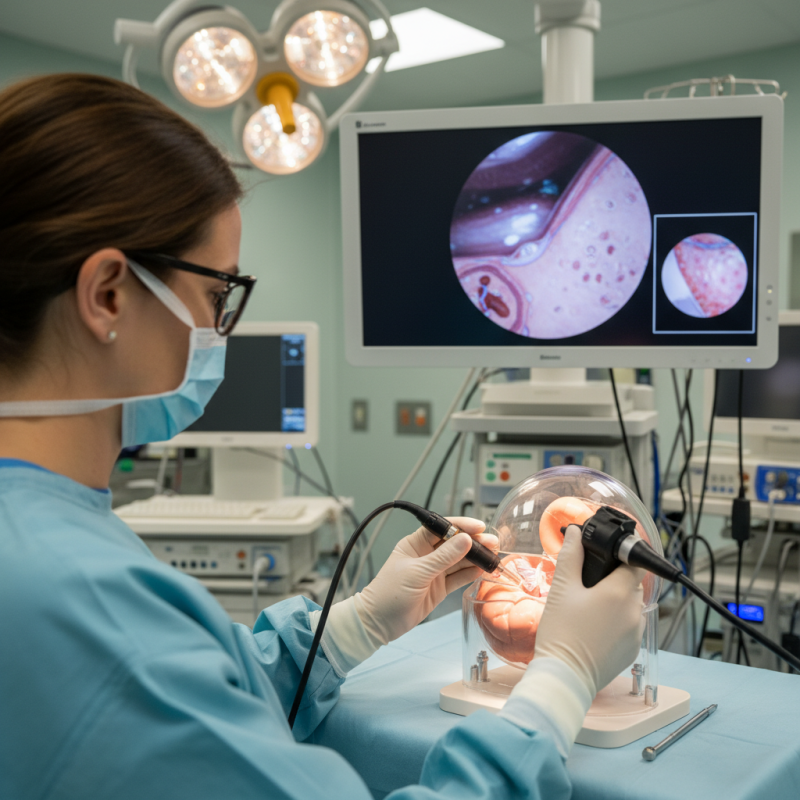
Blurry endoscopic images can significantly impact diagnostic accuracy. Several common issues often lead to this problem. One major cause is a dirty lens. Even a smudge can affect image clarity. Regular cleaning before procedures is essential.
Another factor is improper focus. If the endoscope is not adjusted correctly, the images may appear hazy. Techniques like adjusting focal length during insertion can mitigate this. Additionally, patient movement during the procedure can blur the images. Assessing patients beforehand for anxiety may help minimize movement.
Environmental factors also play a role. Insufficient lighting can lead to poor image quality. Technicians should ensure that the procedure room is well-lit. Lastly, outdated equipment can affect performance. Periodic maintenance and upgrades can enhance image clarity. Recognizing and addressing these factors is crucial for improving endoscopic image quality.
: Dirty lenses can significantly blur images. Regular cleaning before procedures is essential for clarity.
Incorrect focus can make images appear hazy. Adjusting focal length during insertion helps improve clarity.
Movement can cause image blurriness. Assessing patient anxiety may reduce movement during the procedure.
Insufficient lighting can lead to poor images. Ensuring the procedure room is well-lit is crucial.
Outdated equipment can hinder performance. Regular maintenance and timely upgrades are essential for clear images.
Resetting focus and inspecting lenses for wear are key steps. Cleaning must be done carefully to avoid damage.
Misalignment can distort images. Practitioners must ensure that all components are properly positioned.
Settings may drift over time. Periodic refinements are necessary to maintain image quality.
Training reinforces skills in equipment use. It helps practitioners address image quality issues effectively.
Achieving perfect clarity may not always be possible. Continuous improvement and adaptation remain important.
In the realm of endoscopy, practitioners often encounter the frustrating question: "Why is my endoscopic image blurry during a procedure?" Several factors can contribute to image blurriness, including common technical issues such as misalignment of optical components or inadequate lighting conditions. By identifying these common causes, clinicians can take proactive measures to enhance image clarity.
To rectify blurry images, it is crucial to adjust the optical components properly, ensuring they are aligned and functioning optimally. Additionally, optimizing lighting conditions can significantly improve image quality, allowing for clearer visibility during procedures. Utilizing the correct camera settings tailored to specific environments and implementing regular maintenance and calibration of equipment can further enhance performance. By following these tips, healthcare providers can ensure more accurate and reliable endoscopic imaging, ultimately improving patient care.

 Centuri Medical