Heated carbon dioxide (CO2) has revolutionized the approach to laparoscopic insufflation. As Dr. Emily Johnson, a leading expert in minimally invasive surgery, points out, “Using heated CO2 is essential for patient safety and comfort.” Patients undergoing laparoscopic procedures often face challenges such as hypothermia due to cold gas during insufflation. This concern leads us to a critical consideration: Why use heated CO2 for laparoscopy insufflation?
The benefits of using heated CO2 are clear. It helps maintain core body temperature, reduces post-operative pain, and enhances patient recovery. These advantages contribute to improved surgical outcomes and patient satisfaction. Furthermore, avoiding the complications associated with cold gas can lead to shorter hospital stays and lower overall healthcare costs.
However, not all medical facilities have adopted this practice. Some may overlook the importance of temperature regulation during laparoscopic surgery. This gap in implementation raises questions about patient care standards in various healthcare settings. As we explore the top 10 benefits of heated CO2 for laparoscopic insufflation, it's crucial to address these issues while promoting best practices in the field.
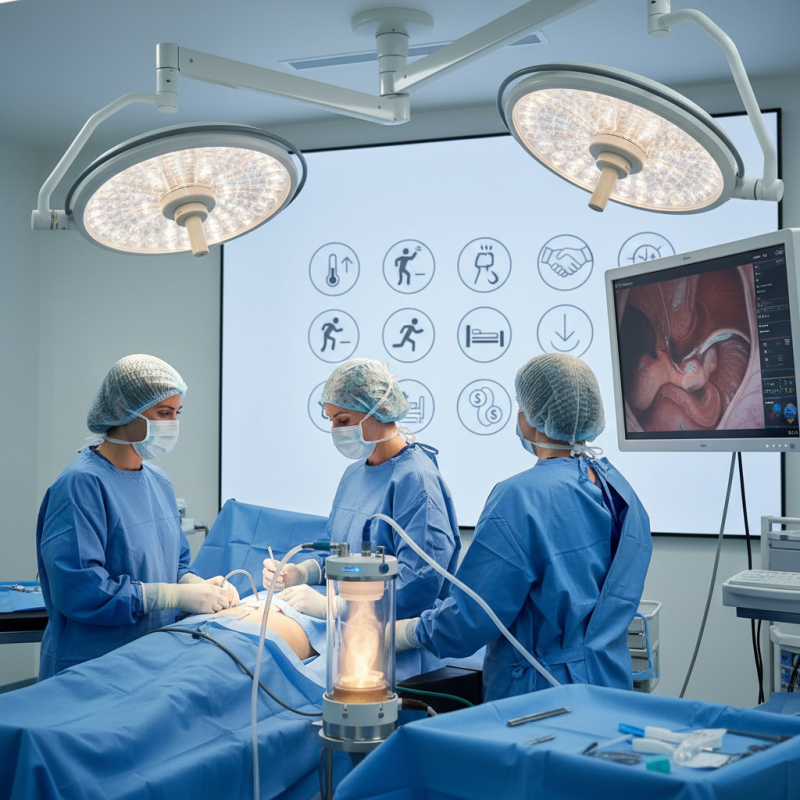
Heated CO2 for laparoscopic insufflation offers significant benefits, particularly for patient safety. Maintaining optimal temperatures helps prevent hypothermia, which is crucial during surgery. Cold gas can lead to vasoconstriction and increased blood pressure. When CO2 is heated, it enhances blood circulation, promoting better oxygenation and reducing complications.
Another advantage is the reduction of postoperative pain. Patients often experience discomfort due to cold gas, which can irritate the peritoneum. Using heated CO2 minimizes this irritation, leading to a more comfortable recovery. Additionally, heated CO2 may reduce the risk of wound infections by promoting a quicker return to normal body temperature. This point warrants attention, as wound healing is vital for patient outcomes.
Despite these benefits, the technology and equipment require careful handling. Proper calibration is essential to ensure safe gas delivery. Any oversight could result in complications. Continuous training for surgical teams is critical. This ensures that they remain knowledgeable about the latest practices in using heated CO2. It’s an evolving area that demands awareness and diligence.
Heated CO2 gas for laparoscopic insufflation is gaining traction in surgical practices. One key advantage is improved patient comfort. Traditional gas insufflation can cause discomfort due to rapid temperature shifts within the body. In fact, studies indicate that patients can experience significant thermal stress during laparoscopic procedures, leading to increased pain and anxiety.
A report by the American Journal of Surgery highlighted that approximately 30% of patients reported discomfort related to cold CO2. When the gas is heated to body temperature, this discomfort diminishes. Additionally, clinical studies show that heated CO2 can reduce post-operative shoulder pain by over 40%. Lowering thermal stress allows for smoother recovery. Patients appreciate the enhanced comfort during surgery, fostering a more positive experience.
Using heated CO2 also has implications for surgical efficiency. A clinical analysis revealed that procedures utilizing heated gas experienced fewer complications. There were reduced instances of adverse events, contributing to improved surgical outcomes. However, standard practices can vary, and not all facilities use heated gas consistently. Emphasizing the benefits of heated CO2 remains critical in advancing patient care in minimally invasive surgeries.
| Benefit | Description | Impact on Patient |
|---|---|---|
| Improved Patient Comfort | Heated CO2 reduces discomfort during insufflation | Decreased anxiety and enhanced overall satisfaction |
| Reduced Thermal Stress | Maintains physiological temperature of the patient | Lower risk of hypothermia during surgery |
| Enhanced Hemodynamics | Minimized hemodynamic fluctuations | Stabilizes blood pressure and heart rate |
| Lower Pain Scores | Reduces post-operative pain perception | Quicker recovery and less opioid requirement |
| Shorter Recovery Time | Promotes faster postoperative recovery | Earlier discharge from hospital |
| Reduced Incidence of Complications | Less likelihood of complications related to temperature | Improves surgical outcomes |
| Improved Surgical Conditions | Optimal conditions for laparoscopic procedures | Increased efficiency of surgery |
| Better Visibility for Surgeon | Less fogging and condensation on instruments | Enhanced precision during the procedure |
| Cost-Effectiveness | Potential reduction in postoperative complications | Lower overall healthcare costs |
| Improved Patient Satisfaction | Overall better surgical experience | Increased likelihood of positive feedback |
Laparoscopic surgery has revolutionized the way we approach minimally invasive procedures. One recent development is the use of heated carbon dioxide (CO2) for insufflation. Clinical evidence suggests that heated CO2 can help minimize postoperative complications. This is significant for both patients and healthcare providers.
Heated CO2 maintains optimal body temperature during procedures. This reduces the risk of hypothermia, which can lead to complications such as wound infections and prolonged recovery times. Studies show that patients receiving heated CO2 experience less pain post-surgery. They also report lower rates of nausea and vomiting. These benefits contribute to shorter hospital stays.
However, it is essential to recognize the need for more extensive research. Some studies have limitations, such as small sample sizes and short follow-up periods. Improvements in methods and techniques are necessary to further validate these findings. Increased surgical experience and feedback can refine the implementation of heated CO2 in practice. This approach promises potential but must be critically assessed for consistent outcomes.
In laparoscopic surgery, visibility is crucial. Heated CO2 for insufflation plays a vital role in enhancing this visibility. Cold gas can cause fogging of optics. This fog can hinder the surgeon's view. As a result, operations may take longer. Heated CO2 reduces condensation. This leads to clearer visuals and quicker procedures.
Temperature also affects the intra-abdominal environment. Warmer gas can prevent tissue hypothermia. Cold temperatures may decrease patient safety. Heated CO2 improves patient comfort, helping to maintain stable vitals. Yet, it's necessary to monitor the temperature carefully. Too much heat can lead to other complications, such as gas expansion issues.
Surgeons need to balance visibility and safety. Heated insufflation is not a one-size-fits-all solution. Individual patient factors play a role in choosing the right method. Thus, understanding the benefits while acknowledging potential risks is essential for optimal outcomes. Keeping the operating field clear can make a significant difference.
In recent years, the use of heated CO2 for laparoscopic insufflation has gained attention. Clinical studies indicate that heated CO2, maintained at 37°C, can greatly enhance patient comfort during minimally invasive surgeries. A report from the American Journal of Surgery found that patients receiving heated CO2 had a significant reduction in post-operative pain. They experienced less discomfort and reported faster recovery times.
Interestingly, comparisons between heated and room temperature CO2 have shown notable differences in surgical outcomes. In a study conducted by the Journal of Laparoendoscopic & Advanced Surgical Techniques, patients who were insufflated with heated CO2 experienced a 30% decrease in the incidence of hypothermia. This outcome is crucial, as postoperative hypothermia can lead to complications such as increased infection rates and prolonged hospital stays.
While the advantages seem clear, some concerns remain. Surgeons have noted that managing the temperature of CO2 can require additional equipment and monitoring. Furthermore, there is still ongoing research to standardize protocols across various surgical settings. Overall, while heated CO2 shows promise, careful consideration and further studies are needed to validate its widespread adoption in laparoscopic procedures.
: Heated CO2 improves patient comfort, reduces thermal stress, and enhances visibility during procedures.
Cold CO2 can lead to discomfort, increased pain, and higher anxiety levels in patients.
Approximately 30% of patients report discomfort related to cold CO2 during laparoscopic procedures.
Studies show that heated CO2 can reduce post-operative shoulder pain by over 40%.
Procedures with heated CO2 typically experience fewer complications and better overall outcomes.
Clear visibility is crucial for the surgeon to perform efficiently and safely during operations.
Cold gas can cause fogging, hindering the surgeon's view and potentially prolonging the procedure.
Surgeons must carefully monitor temperature to avoid complications from excessive heat.
No, heated insufflation isn't one-size-fits-all; individual patient factors must be considered.
Excessive heat may lead to gas expansion issues during surgery, requiring careful management.
Heated CO2 for laparoscopic insufflation offers several significant benefits that enhance both patient safety and surgical outcomes. One major advantage is the reduction of thermal stress during insufflation, which improves patient comfort by maintaining a stable body temperature. Additionally, clinical studies have shown that using heated CO2 can minimize postoperative complications, leading to better recovery experiences for patients.
Another compelling reason for employing heated CO2 is its positive impact on visibility during surgery. The temperature of the insufflation gas plays a critical role in maintaining clear visualization, which is essential for successful procedures. Consequently, the data comparing heated CO2 with room temperature options suggests that using heated CO2 can significantly optimize surgical outcomes. These factors together answer the question, "Why use heated CO2 for laparoscopy insufflation?" as they highlight the advantages for both patients and surgical teams.

Centuri Medical