In the realm of modern medical practices, the transition from fiber optic to digital endoscopy represents a significant advancement. Many healthcare facilities are exploring "how to upgrade from fiber optic to digital endoscopy?" This question is crucial for ensuring better diagnostic accuracy and improved patient outcomes. Digital endoscopy systems offer enhanced image quality, greater flexibility, and advanced features like image storage and analysis.
However, the upgrade process can appear daunting. Facilities must evaluate their existing equipment, staff training needs, and the overall financial impact. While digital technology promises undeniable benefits, the logistical aspects require careful planning and execution. This is where the knowledge of experts becomes invaluable. They can guide healthcare providers through the complexities of this transition.
Beyond the technical considerations, there is room for reflection. Some facilities may experience initial hiccups during the shift, from compatibility issues to the learning curve for staff. Acknowledging these challenges is essential for a successful upgrade. Embracing change is never easy, but with the right approach and expertise, the transition to digital endoscopy can significantly enhance patient care and operational efficiency.
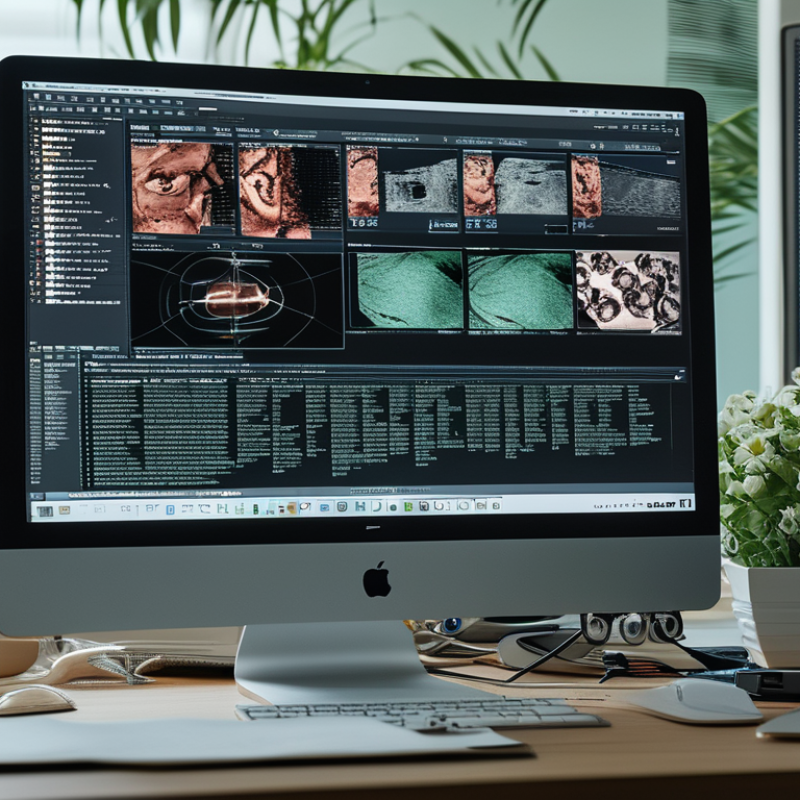
Fiber optic and digital endoscopy technologies present unique approaches to medical diagnostics.
Fiber optic endoscopy uses flexible fibers to transmit light and images. This method has been widely used for years, providing a reliable way to visualize internal organs.
However, it can be limited by image quality and resolution. Many healthcare providers are now considering digital endoscopy as a superior alternative.
Digital endoscopy incorporates advanced imaging sensors. This technology offers improved resolution and clearer images. It allows for real-time processing and digital enhancement. The clarity provided by digital systems can lead to better diagnoses and treatment plans.
Despite these advantages, transitioning from fiber optic to digital systems can be challenging. The cost of new equipment and training must be considered.
Training medical professionals to adapt to new technologies is crucial. There may be a learning curve, leading to initial inefficiencies. However, investing in education can pay off in improved patient outcomes. It is essential for healthcare facilities to weigh these factors carefully before making a switch. Embracing digital endoscopy might seem daunting, yet the long-term benefits could outweigh initial obstacles.
Upgrading from fiber optic to digital endoscopy can feel overwhelming. However, recognizing the need for this shift is crucial. Digital endoscopy offers superior image quality. This technology provides clearer, more precise visuals which enhance diagnostic capabilities. Traditional systems may fall short in detail. This lack of clarity can lead to missed diagnoses and uncertainties in treatment plans.
It's vital to assess your current equipment's limitations. Consider the number of missed cases or unclear images. These factors can be signs your system needs an upgrade. Engaging with medical professionals can provide insights into their experiences with digital systems. They often highlight the improved workflow and patient outcomes following the switch.
Tips: Invest time in training your team on advanced digital systems. This effort will maximize the benefits of your new equipment. Additionally, choose a system that easily integrates with existing workflows. This integration minimizes disruptions and promotes a smoother transition to digital practices. Keeping communication open with your staff can reveal persistent challenges. Reflecting on these discussions will allow for a more effective upgrade process.
Upgrading from fiber optic to digital endoscopy can significantly enhance diagnostic capabilities. When evaluating compatible digital endoscopy systems, focus on several critical aspects. Look for systems that offer high-definition imaging. This feature improves the clarity of visuals, allowing for better assessments.
Consider the interface and compatibility with your existing devices. A user-friendly system can make a real difference in workflow and efficiency. It's also crucial to assess the training required for staff. Some systems may seem intuitive, but a learning curve often exists. Investing in training is essential to maximize the benefits.
Another aspect is the cost of maintenance and potential upgrades. Some systems come with hidden costs that can impact your practice in the long term. Engaging with current users of various systems can be enlightening. Their experiences provide insights into what works and what needs improvement. This peer feedback can guide your decision-making process.
Transitioning from fiber optic to digital endoscopy can be a challenging yet rewarding process. This guide focuses on the necessary steps to train your team effectively. It’s essential to equip staff with both the technical know-how and hands-on experience. Begin with comprehensive training sessions, emphasizing the differences between equipment. Hands-on workshops should allow staff to practice under supervision, minimizing potential errors.
Gradual integration of digital systems is recommended. Start by utilizing both fiber optic and digital equipment concurrently. This dual approach helps staff adapt comfortably. Regular feedback sessions can identify areas needing further training. Encourage open discussions about the challenges faced during the transition. Monitoring progress is crucial. Use performance metrics to evaluate staff confidence and proficiency.
It's important to remain flexible throughout this process. Not every staff member will adapt at the same pace. Documenting experiences and learning curves can provide insights for future improvements. Occasionally, staff may encounter technical issues with the new system. Encourage a mindset of problem-solving rather than frustration. Emphasizing teamwork will help foster a supportive environment during the shift to digital endoscopy.
Upgrading to digital endoscopy from traditional fiber optic systems is a significant step. This transition can enhance imaging quality and improve patient outcomes. However, ensuring optimal performance requires attention to detail and maintenance protocols. Regular check-ups of the imaging system are essential. Implementing a routine maintenance schedule can identify potential issues early. This proactive approach can minimize downtime and maintain system integrity.
Training staff on the nuances of digital systems is equally important. Not all technicians may be familiar with recent advancements. Invest in training sessions to enhance skills. Encourage staff to share insights and observations. This collaborative approach can surface common challenges and solutions. Regular feedback loops can ensure that everyone is aligned on best practices.
Lastly, remember that technology can fail. Digital systems may encounter unexpected glitches. Having a reliable support system in place ensures prompt resolution. Identify potential weaknesses, such as software dependencies or hardware limitations. Reflecting on past experiences can guide improvements. Continuous learning is crucial in this evolving field.
: Fiber optic endoscopy uses flexible fibers to transmit light and images, helping visualize internal organs.
Digital endoscopy offers improved resolution and clearer images, leading to better diagnoses and treatment plans.
The cost of new equipment and the need for staff training can be significant challenges in the transition.
Training is crucial for adapting to new technologies; a learning curve can cause initial inefficiencies.
Focus on high-definition imaging, user interface, and compatibility with existing devices for effective workflow.
Yes, some systems come with hidden maintenance costs that could impact your practice in the long run.
Feedback from current users provides valuable insights into practical benefits and areas needing improvement.
Yes, investing in digital imaging often leads to improved diagnoses and better patient outcomes overall.
While initially daunting, the long-term benefits of digital endoscopy often outweigh the initial challenges.
Providing adequate training is essential, as it can significantly reduce frustration and improve efficiency over time.
Upgrading from fiber optic to digital endoscopy is a crucial step for medical practices aiming to enhance their diagnostic capabilities and patient care. In the article "How to Easily Upgrade from Fiber Optic to Digital Endoscopy?", the process begins with a thorough understanding of both technologies, allowing practitioners to identify the specific advantages of digital systems. Evaluating compatible digital endoscopy systems tailored to your practice is essential in this transition.
Once a system is chosen, the article provides a detailed step-by-step guide to transitioning equipment and training staff effectively, ensuring a smooth implementation. Lastly, maintaining optimal performance of digital endoscopy systems is highlighted as key to maximizing the benefits of the upgrade. Overall, this guide answers the pressing question of how to upgrade from fiber optic to digital endoscopy, illustrating a clear pathway for practices looking to modernize their approach.

Centuri Medical